Longmont Pressure Washing Services
Pressure washing is one of the fastest, most cost-effective ways to restore the look of a home or business exterior, and it plays an especially important role in Longmont, Colorado. From windblown dust along busy corridors to seasonal pollen and the grime that accumulates after snow and spring runoff, exterior surfaces in Northern Colorado take a steady beating. Over time, that buildup dulls paint, stains concrete, and can even shorten the life of siding, decking, and masonry. A professional Longmont pressure washing service uses the right mix of water pressure, specialized nozzles, detergents, and surface-safe techniques to lift away dirt, algae, mildew, and pollutants—helping properties look cleaner, brighter, and better cared for.
For many Longmont property owners, the most obvious benefit is curb appeal. A freshly washed driveway, walkway, or storefront can make an immediate difference in first impressions—whether you are welcoming customers, hosting guests, or preparing a home for sale. But pressure washing is more than cosmetic. Regular exterior cleaning helps prevent premature wear by removing abrasive grit and organic growth that can trap moisture. That moisture can contribute to surface deterioration, wood rot, and staining that becomes harder to remove the longer it sits. In that sense, routine washing is a form of preventative maintenance that can reduce repair and repainting costs over time.
Common Longmont Pressure Washing Services
Pressure washing companies in Longmont typically offer a mix of residential and commercial cleaning, with packages tailored to the surfaces and soils most common in the area. Residential services often include driveway and sidewalk cleaning, patio washing, deck and fence cleaning, and gentle house washing for siding and trim. Many homeowners also schedule seasonal cleanings for garage floors, pool surrounds, and outdoor living spaces to remove grime and brighten concrete before summer entertaining.
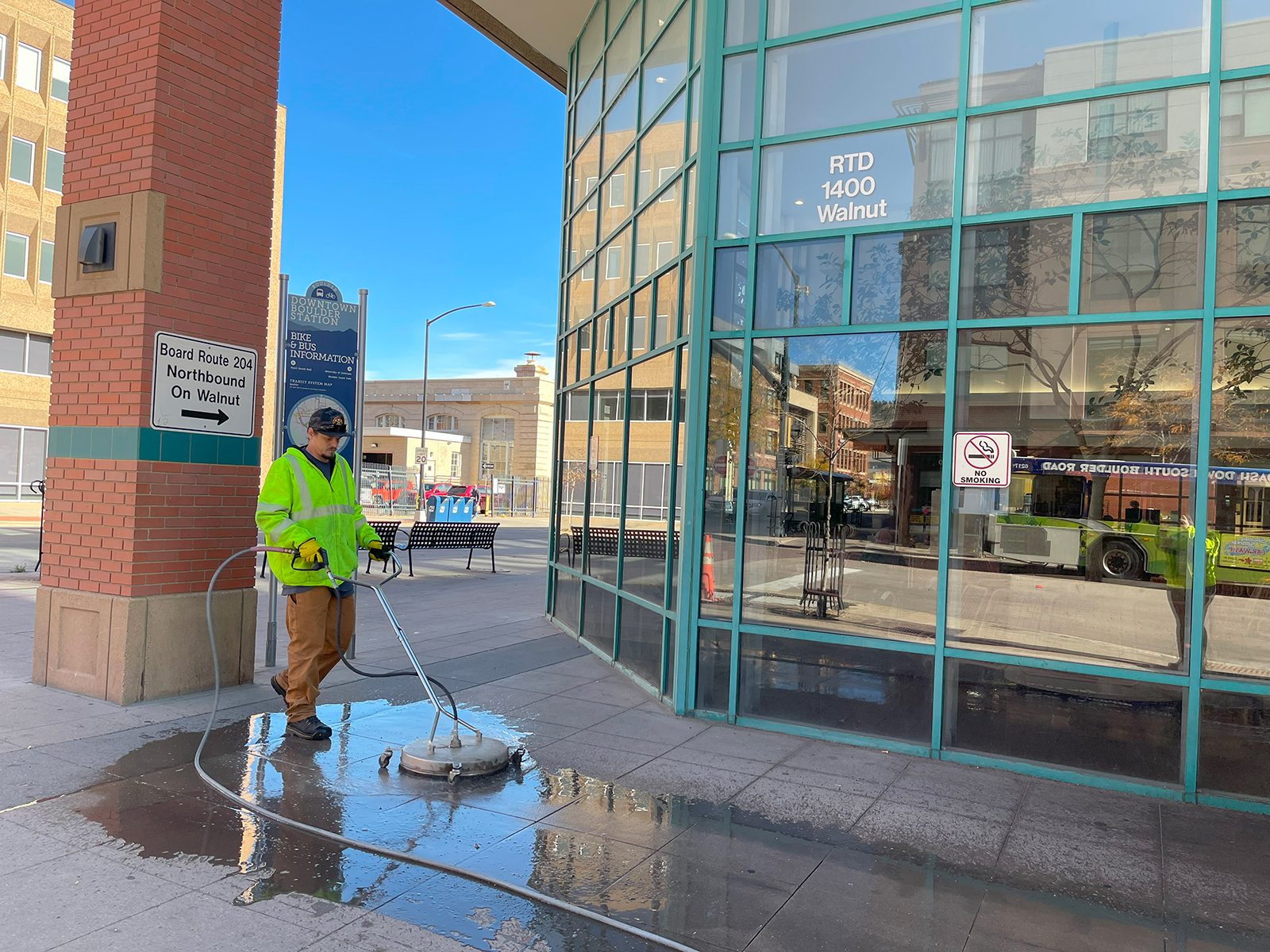
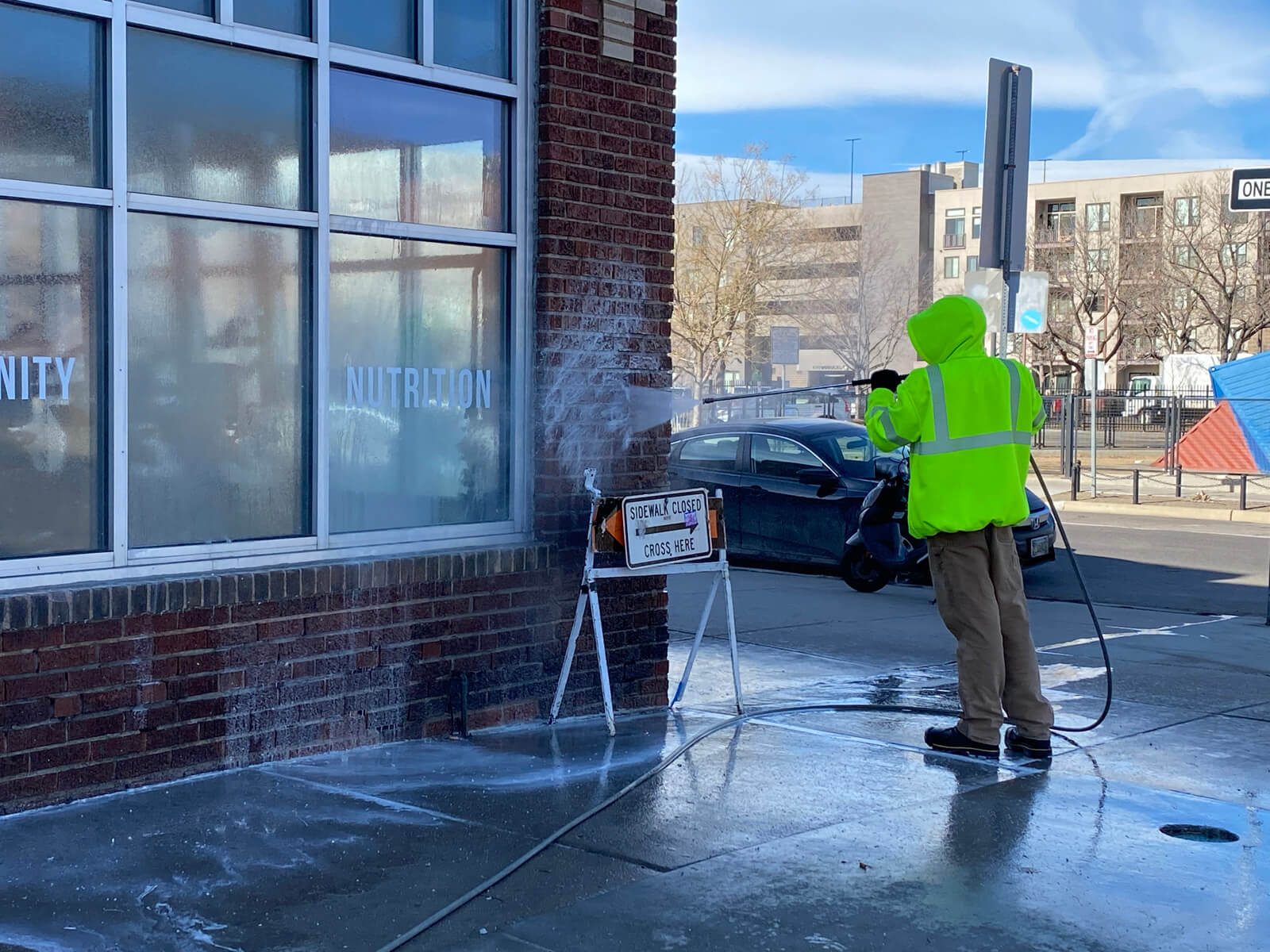
Commercial pressure washing in Longmont commonly focuses on storefront sidewalks, dumpster pads, loading areas, drive-thrus, parking lot hot spots, and building exteriors. Restaurants and food-service sites often need degreasing and odor control around waste areas, while property managers may schedule recurring cleanings to maintain an inviting appearance for tenants and visitors. Safety is a major factor on the commercial side: keeping walkways free of slippery buildup helps reduce fall risks, and a consistent cleaning schedule supports brand standards for businesses that want their locations to look polished year-round.
Surfaces, Soils, and the Right Cleaning Method
Not every surface should be cleaned the same way. While the term “pressure washing" is widely used, professional exterior cleaners choose methods based on the material being washed and the type of buildup being removed. Hard, durable surfaces such as broom-finished concrete or some types of pavers can often be cleaned effectively with higher pressure, especially when paired with a surface cleaner that delivers even coverage. More delicate materials—painted siding, stucco, cedar shake, roof shingles, and older mortar—often require “soft washing", a low-pressure rinse combined with detergents designed to break down organic growth. Using the correct approach helps prevent etched concrete, damaged paint, splintered wood, or water intrusion behind siding and trim.
In Longmont neighborhoods, you will commonly see a range of exterior materials: concrete driveways and sidewalks, stamped concrete patios, retaining walls, brick and stone accents, vinyl or fiber-cement siding, painted trim, and wood fencing. Each material has its own best practices for pressure, dwell time, and chemical choice. For example, concrete stains from rust or hard-water runoff may respond to targeted treatments, while black organic streaks on north-facing surfaces may require a cleaner that addresses algae and mildew. A quality provider evaluates these conditions before washing so the cleaning is thorough without being aggressive.
Longmont’s Climate and Seasonal Buildup
Longmont’s high plains climate creates a unique mix of exterior cleaning challenges. Sunny days and low humidity can bake dust and vehicle residue into porous concrete, while spring winds can distribute dirt and debris across patios and entryways. In the spring and early summer, pollen coats siding and outdoor furniture, and shaded areas can encourage algae or mildew spots—especially on north-facing walls, fences, and the edges of roofs. During winter, de-icing products, road slush, and freeze-thaw cycles can leave behind gritty residue and stains in drive lanes and near garage thresholds.
Because conditions change throughout the year, many Longmont homeowners plan pressure washing in late spring or early summer to refresh outdoor spaces, then schedule a lighter touch-up or spot clean in the fall. Commercial properties often benefit from more frequent service, especially in high-traffic areas where oil drips, gum, and tracked-in grime accumulate. A reliable schedule keeps buildup from becoming stubborn and helps surfaces stay brighter with less intensive cleaning each visit.
What to Expect From a Professional Pressure Washing
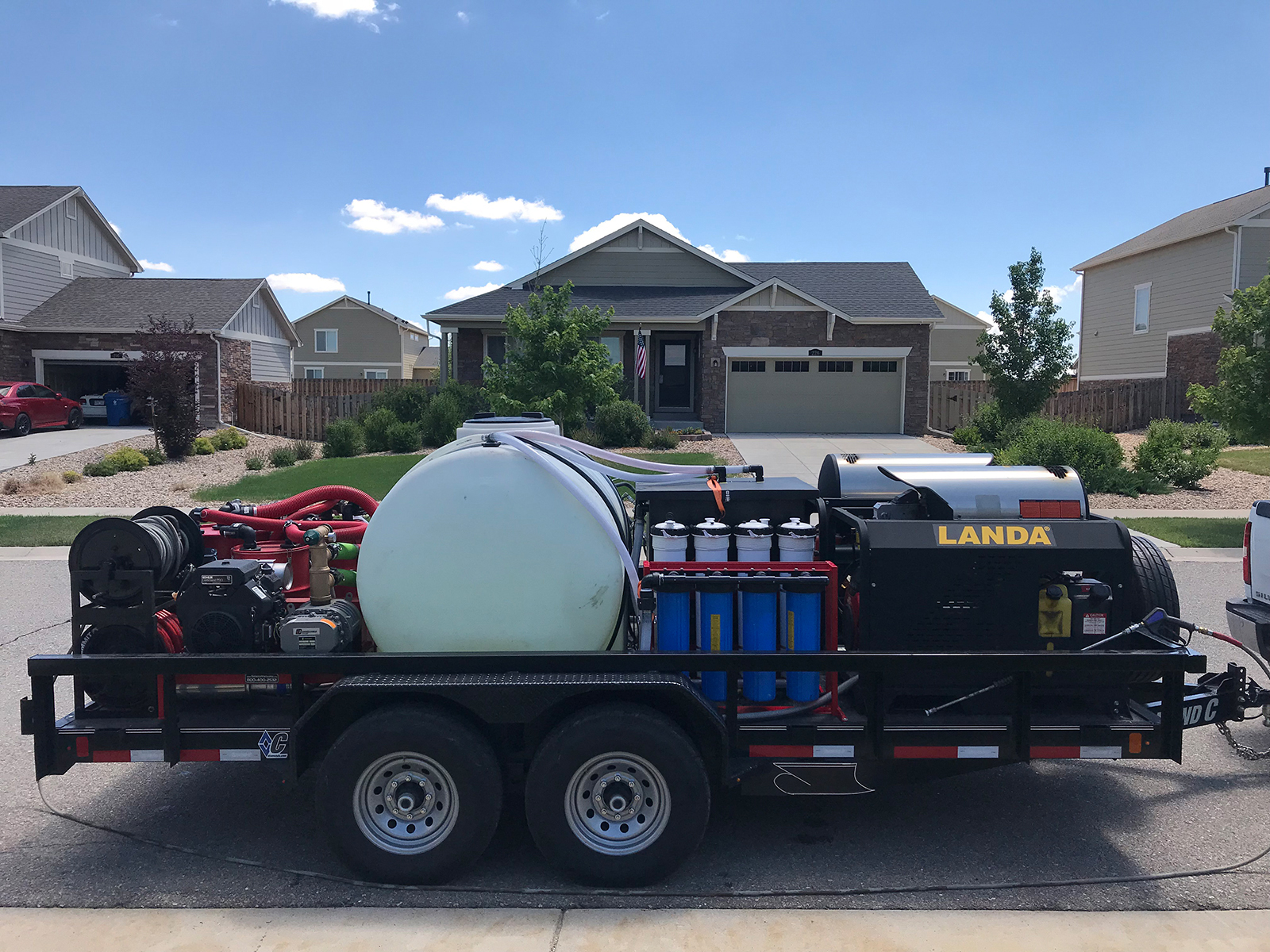
A professional pressure washing appointment typically begins with a quick walkthrough to identify the surfaces to be cleaned, the types of stains present, and any areas that need special care. The crew may move lightweight items, cover electrical outlets, and pre-wet nearby plants to help protect landscaping. For many jobs, a pre-treatment step is key: detergents or degreasers are applied and given time to loosen soil so the rinse is more effective. The washing itself may use a combination of surface cleaners for flatwork and wand work for corners, edges, and vertical surfaces. After rinsing, the technician will do a final check for remaining spots, restore the work area, and provide guidance on how long surfaces may take to dry before normal use.
Safety and Environmental Considerations
High-pressure water can be dangerous in untrained hands, and the best Longmont pressure washing providers prioritize safety for people, property, and the environment. Technicians use proper protective gear, keep clear communication around slick surfaces, and adjust pressure to prevent damage to finishes and seals. Many stains require cleaning agents, so responsible contractors choose products suited to the job and apply them carefully to avoid harm to landscaping. Runoff management matters, too: controlling where wash water goes helps keep debris, oils, and detergents out of storm drains. If your property has sensitive areas—such as newly sealed concrete, fragile landscaping, or older surfaces—mention it in advance so the crew can plan the safest approach.
Residential Pressure Washing: Driveways, Patios, and House Washing
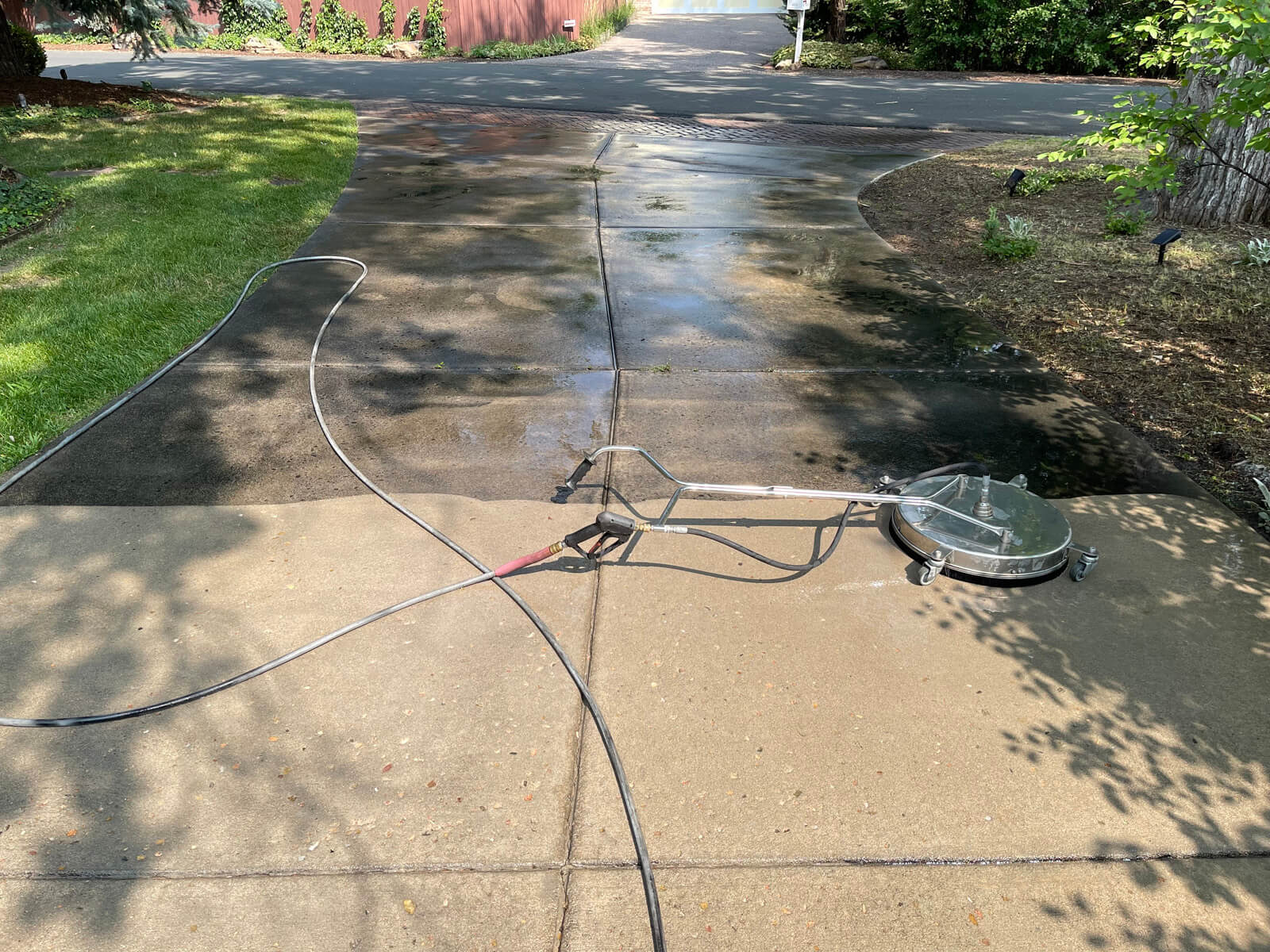
For homeowners, concrete cleaning is often the most dramatic improvement. Driveways and sidewalks can collect years of tire marks, tracked-in dirt, sprinkler overspray stains, and winter residue. Professional pressure washing lifts embedded grime from porous concrete and restores a more uniform, bright appearance. Clean walkways also improve traction and help visitors feel welcomed, especially when combined with a tidy entryway and refreshed landscaping.
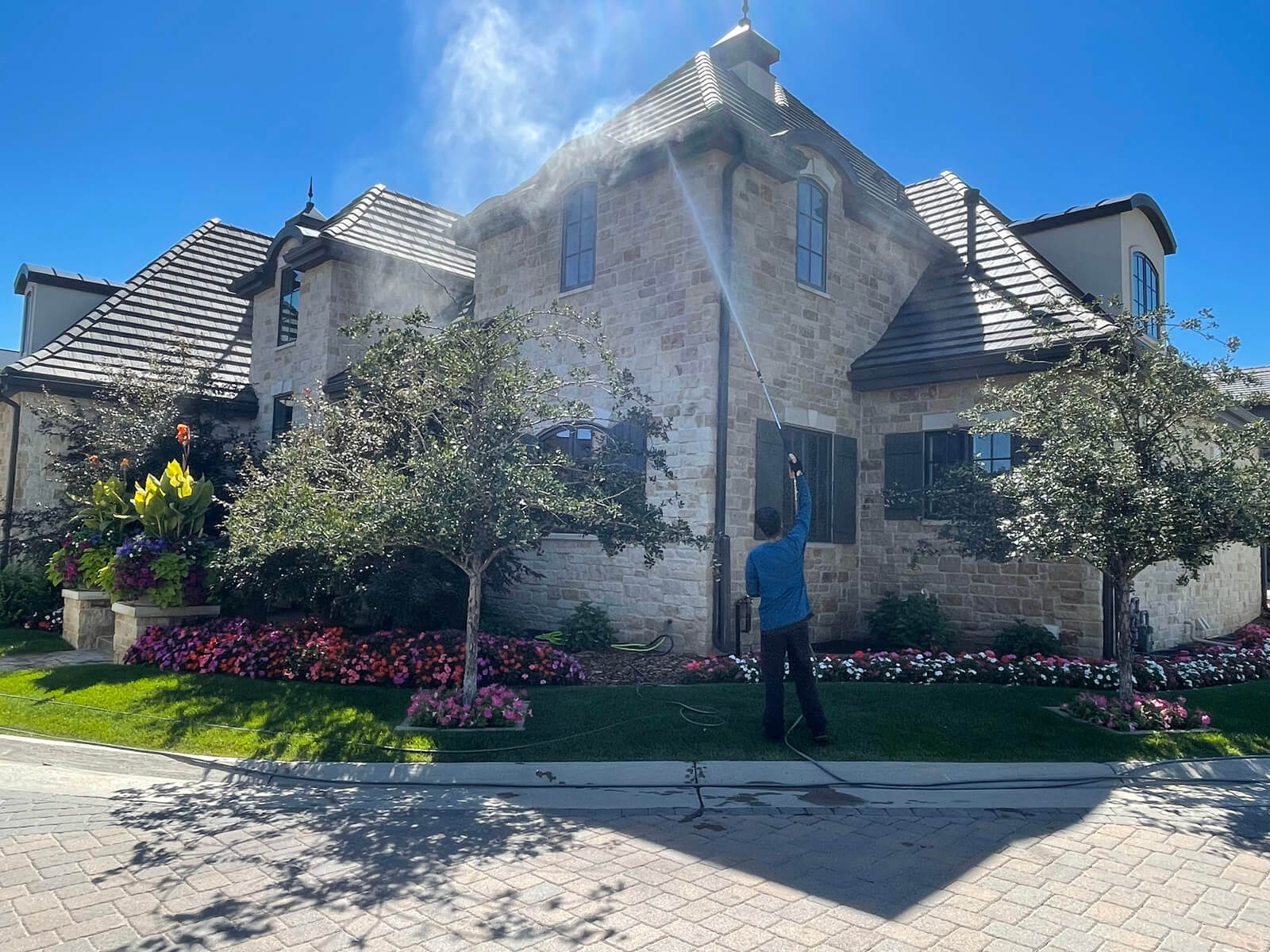
House washing is another high-impact service, but it requires the right technique. Many Longmont homes benefit from a gentle, low-pressure wash that removes dust, cobwebs, and organic spotting without forcing water behind siding or stripping paint. A proper rinse leaves siding looking brighter and helps painted surfaces hold up longer. Homeowners often pair house washing with gutter brightening (for visible “tiger stripe" stains), window trim cleaning, and spot treatments on shaded areas that tend to grow mildew.
Deck and fence cleaning can be especially helpful before staining, sealing, or painting. Wood surfaces accumulate sun-baked grime and can develop algae in shaded sections. A professional will adjust pressure and use the right cleaners to avoid gouging the grain while still removing buildup. After cleaning, wood typically needs time to dry fully before any protective coating is applied, so scheduling matters if you are planning a summer project.
Commercial Pressure Washing: First Impressions and Ongoing Maintenance
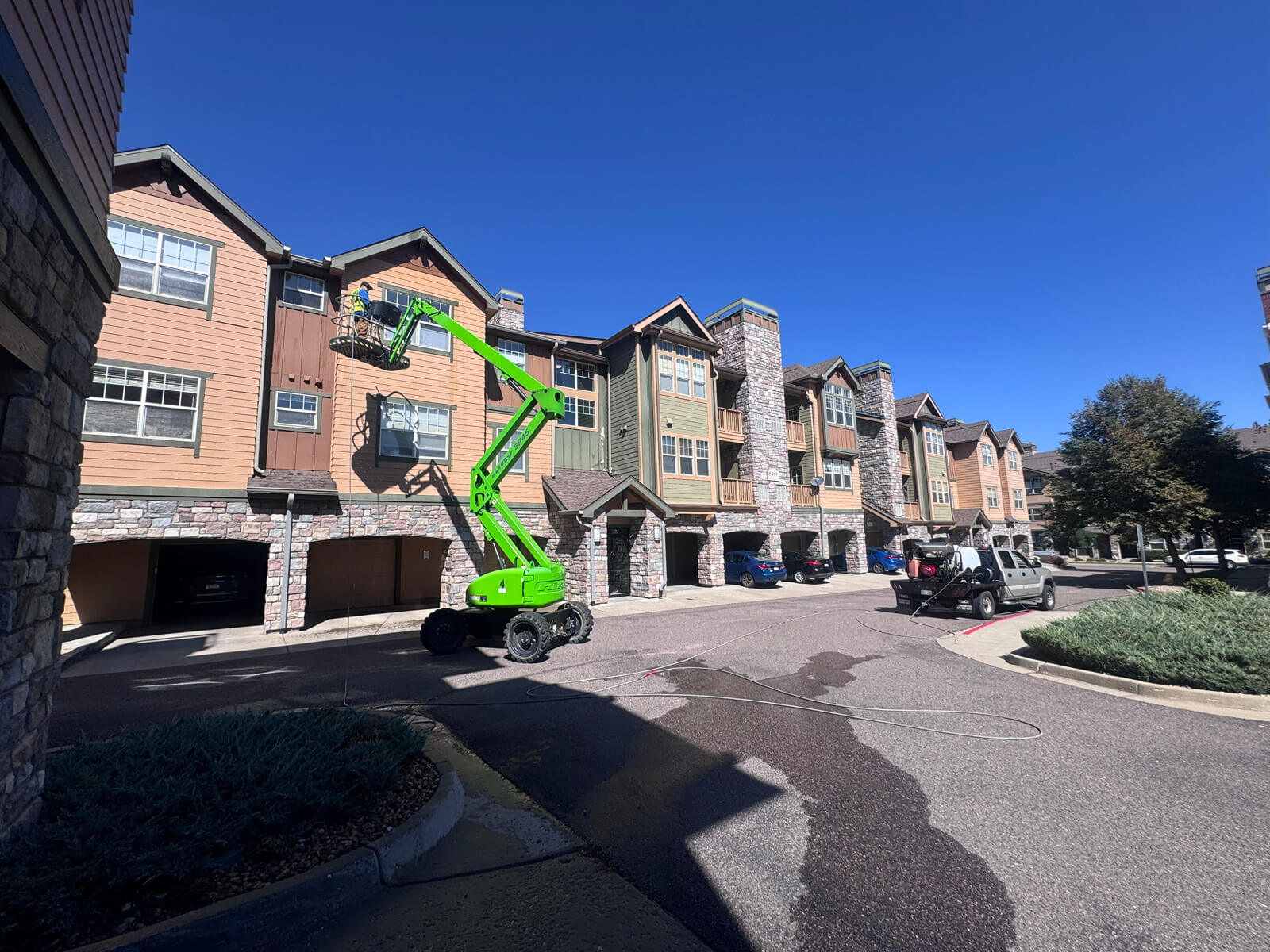
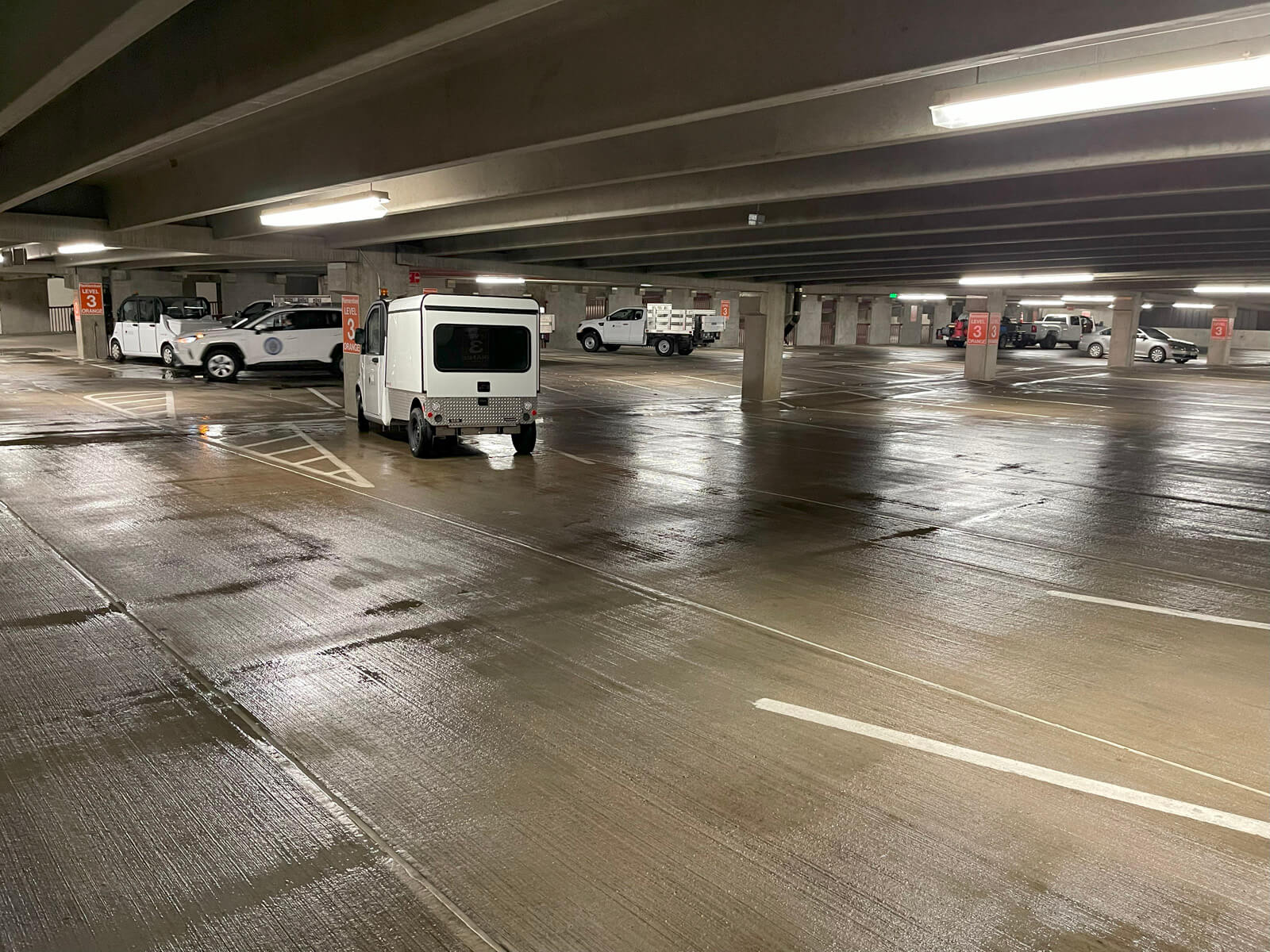
For businesses and multi-tenant properties, exterior cleanliness directly affects customer confidence and tenant satisfaction. Clean sidewalks and entrances make a building look cared for, while washed awnings, stucco, and signage areas help branding stand out. Property managers in Longmont often schedule recurring pressure washing for common-area walkways, breezeways, pool decks, and parking structures. In service lanes and back-of-house areas, routine degreasing and cleaning around dumpster pads can reduce odor, limit pest attraction, and support safer working conditions.