
Littleton Pressure Washing Services
Littleton pressure washing is one of the fastest, most cost-effective ways to restore the look of a home or business without repainting, resurfacing, or replacing materials. Along the Front Range, exterior surfaces collect a mix of windblown grit, vehicle residue, tree sap, mildew, algae, and general airborne dust that dulls paint, stains concrete, and shortens the life of siding and trim. Regular professional washing helps properties look cared for, improves curb appeal, and can reduce long-term maintenance by removing contaminants before they etch, discolor, or degrade the surface beneath.
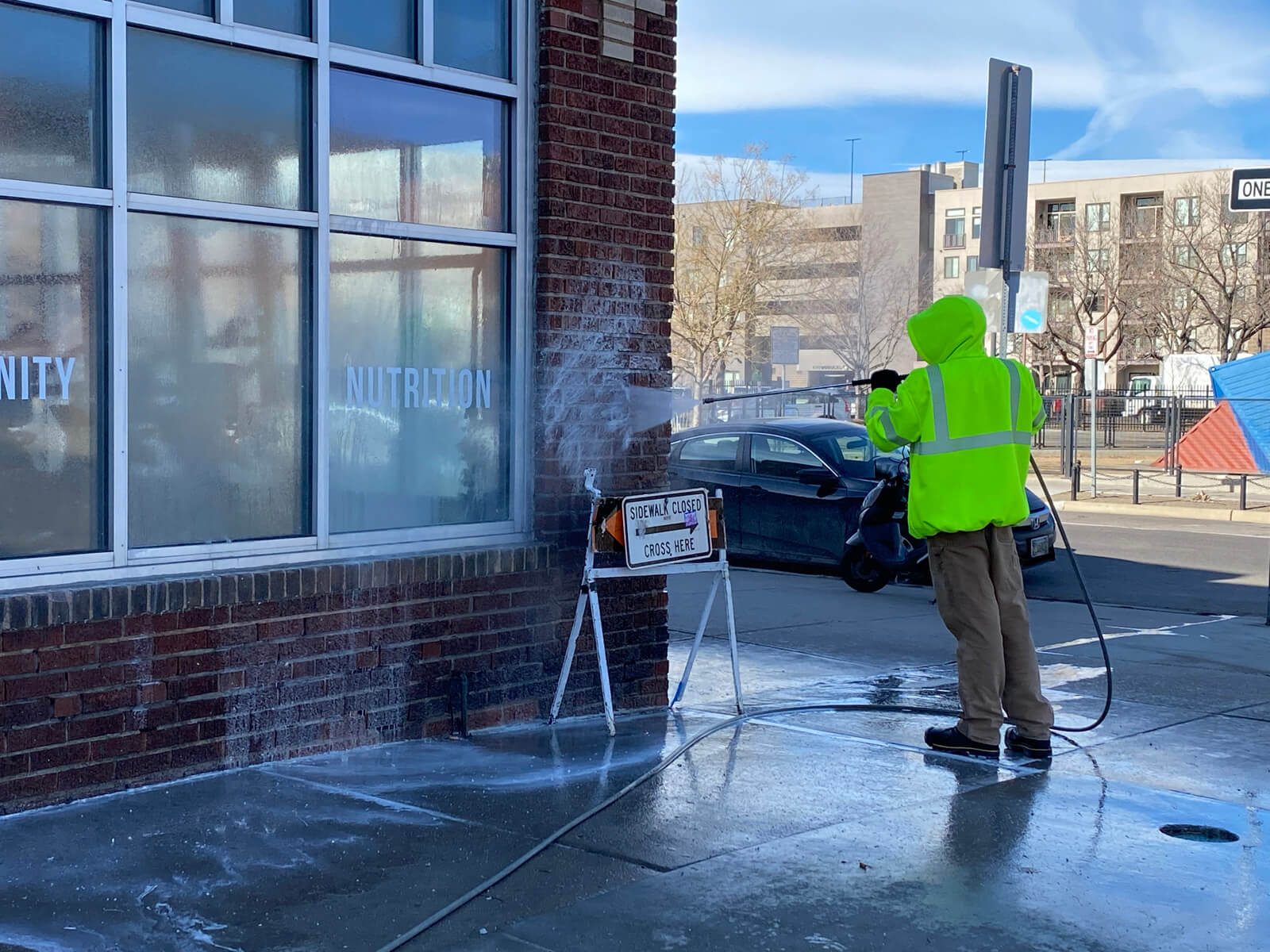
In Littleton, pressure washing is commonly used for single-family homes, townhomes, HOA communities, storefronts, restaurants, office buildings, and light industrial sites. Typical cleanable surfaces include driveways, sidewalks, patios, pool decks, retaining walls, decorative pavers, garage floors, and dumpster pads. On the building itself, technicians may clean vinyl siding, fiber cement, brick, stucco, painted trim, soffits, gutters, fences, and decks. Roof cleaning is often offered as a separate service using low-pressure techniques designed to lift moss and dark streaks without damaging shingles.
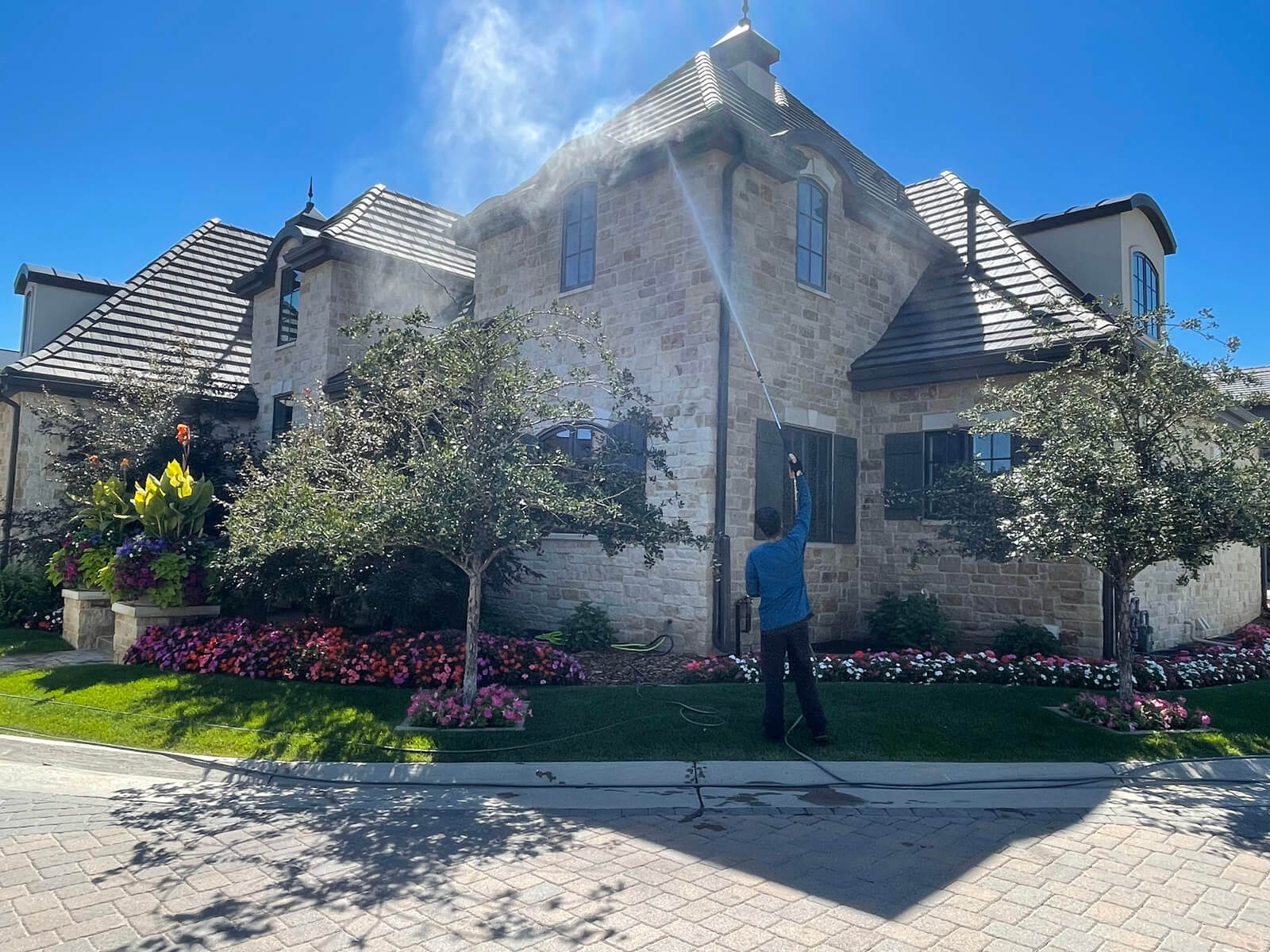
A key part of getting great results is matching the method to the material. “Pressure washing" is often used as a catch-all term, but reputable companies typically use a blend of approaches: higher-pressure rinsing for durable hardscape like concrete, and “soft washing" for more delicate surfaces like siding, stucco, painted wood, and roofing. Soft washing relies on lower pressure paired with detergents or specialized cleaning solutions that loosen organic growth and stains, followed by a controlled rinse. This approach reduces the risk of forcing water behind siding, etching softer materials, or stripping paint, while still delivering a bright, even finish.
Local conditions influence what builds up on exteriors and when cleaning is most effective. Sunny exposure can bleach and dry some grime, while shaded north-facing walls and areas near sprinklers may encourage algae and mildew, especially around foundation lines and behind landscaping. Winter brings sand and de-icer residue that can cling to driveways and sidewalks, and spring winds can leave a fresh layer of dust on everything from patio furniture to stucco. Because Littleton sees strong seasonal swings, many property owners schedule a deeper clean in spring or early summer, then touch up high-traffic areas again before fall gatherings or listing a home for sale.
Professional pressure washing in Littleton typically begins with a walkthrough and surface assessment. A technician checks for oxidation on siding, flaking paint, cracked caulking, loose mortar, damaged wood, or areas where water intrusion is already a concern. Next comes site preparation: moving lightweight items, covering sensitive plants as needed, clearing downspouts, and protecting outlets or door thresholds. Cleaning solutions may be applied to pre-treat organic growth and traffic lanes, and then the surface is washed using the lowest effective pressure and appropriate nozzles. Finally, the area is thoroughly rinsed, walkways are checked for residual slickness, and the crew performs a quick quality review so missed corners or drip lines can be addressed before they leave.
The benefits go well beyond appearance. Clean concrete and pavers are less slippery when algae and mildew are removed, which can reduce slip hazards on shaded sidewalks and steps. Washing also helps preserve surfaces by removing grit that acts like sandpaper over time and by lifting stains that can become permanent if left to bake in the sun. For homeowners planning to repaint, stain a deck, or seal a driveway, professional washing is often the first step in proper surface preparation—helping new coatings bond more evenly and last longer. In commercial settings, clean entryways and sidewalks can support a more professional first impression and demonstrate attention to safety and maintenance.
Most Littleton pressure washing providers offer bundled packages and à la carte options. A driveway and sidewalk cleaning focuses on removing tire marks, oil spots, rust staining, and general darkening from foot and vehicle traffic. A house wash typically targets siding, trim, soffits, and gutters, with special attention to mildew at the lower portions of walls and under eaves. Deck and fence cleaning may include gentle washing to remove graying and mildew, followed by recommendations for drying time before staining or sealing. Commercial services often include storefront and walkway cleaning, dumpster pad degreasing, loading zone washing, and recurring maintenance plans that keep high-visibility areas presentable throughout the year.
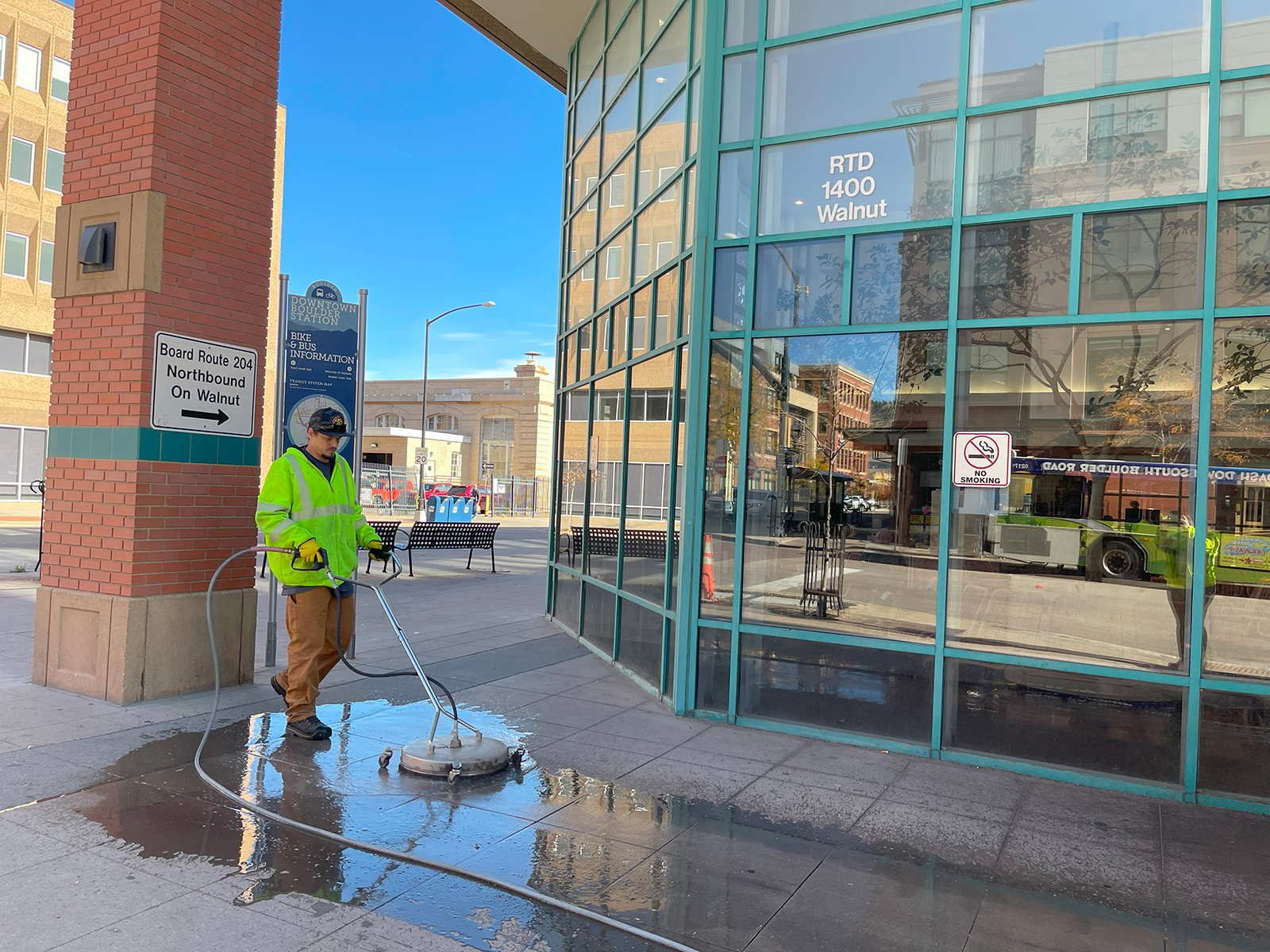
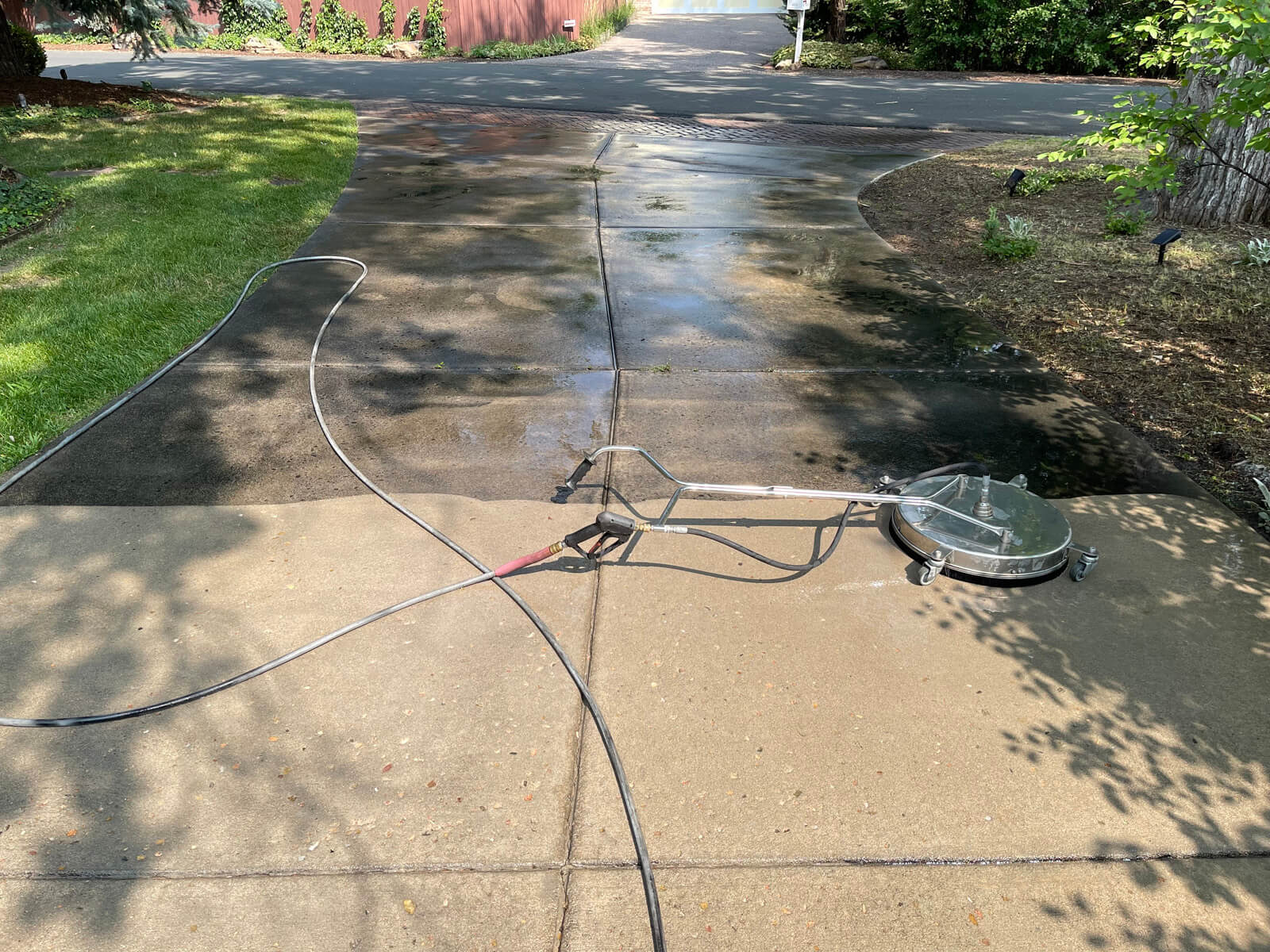
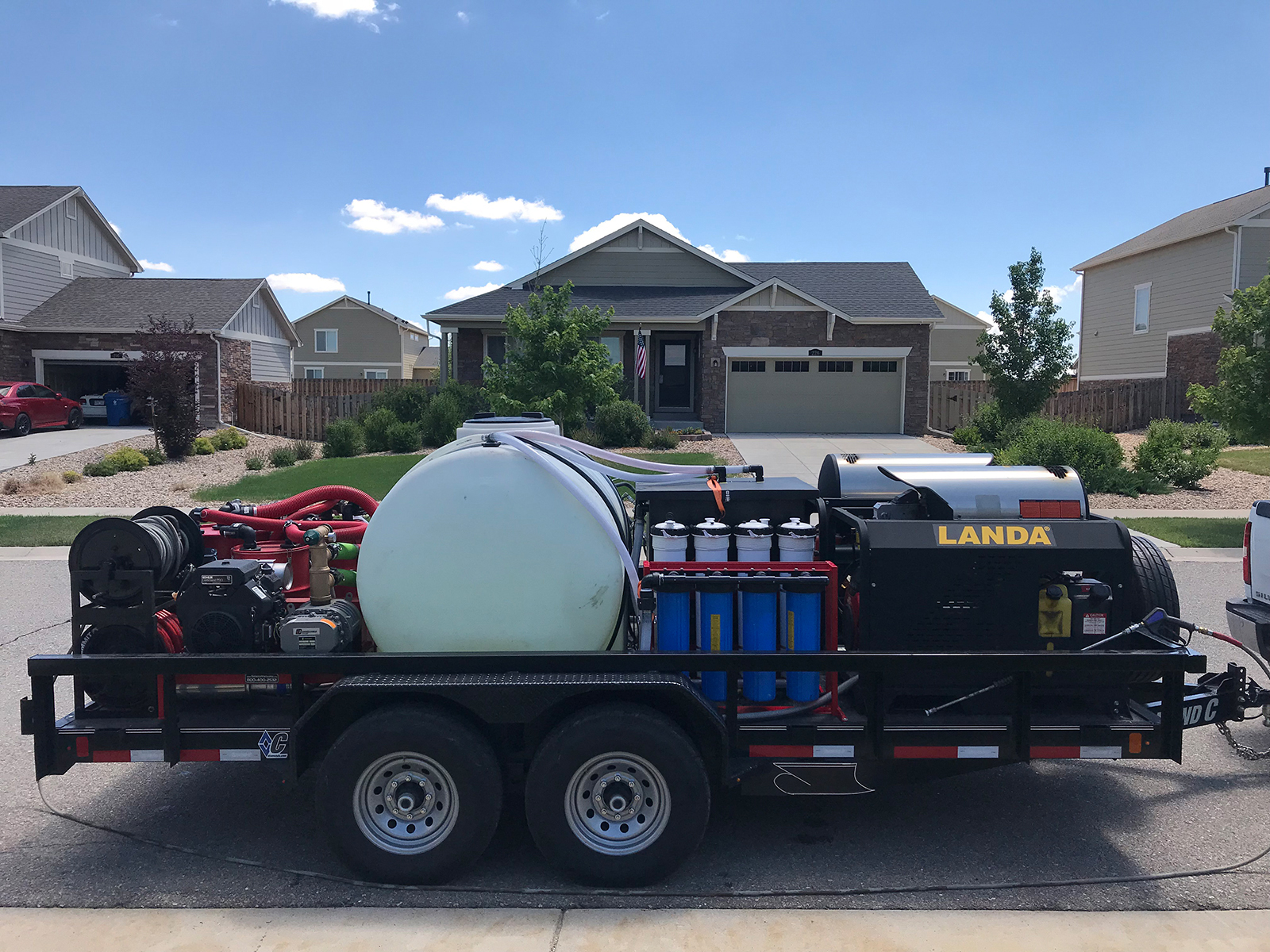
While many homeowners own a small electric pressure washer, professional results come from experience, commercial-grade equipment, and the right attachments. Pros may use surface cleaners for concrete to produce consistent, zebra-stripe-free cleaning across large areas. They adjust pressure, flow rate, and spray angle to reduce the chance of etching, splintering wood, or forcing water into places it shouldn’t go. Just as important is chemical knowledge—understanding when a mild detergent is enough, when a targeted treatment is needed for organic growth, and how to rinse and neutralize responsibly. The goal is not simply “more pressure", but controlled cleaning that restores a surface without shortening its lifespan.
Responsible contractors also pay attention to water use and runoff. Good practices can include using the minimum water needed for effective rinsing, shutting down flow between steps, and preventing dirty wash water from pooling in low spots. For jobs that involve degreasers or heavier cleaning agents—such as dumpster pads or oil-stained concrete—providers may use containment, wet-vac recovery, or other methods aligned with local expectations for storm drain protection. If you’re concerned about nearby landscaping, pets, or vegetable gardens, it’s worth asking what products are used, how plants are protected, and how the work area will be left when the job is complete.
Because pressure washing uses high-force water and sometimes cleaning solutions, safety and professionalism matter. When choosing a Littleton pressure washing company, look for clear communication about what is included, realistic estimates, and a willingness to explain their approach for your specific surfaces. It’s also reasonable to ask about liability insurance, worker coverage, and whether the team is trained to handle ladders, roof access (if applicable), and electrical considerations near outlets and lighting. A careful contractor will avoid blasting water into vents, gaps, or window seals and will point out any pre-existing damage they notice before cleaning begins.
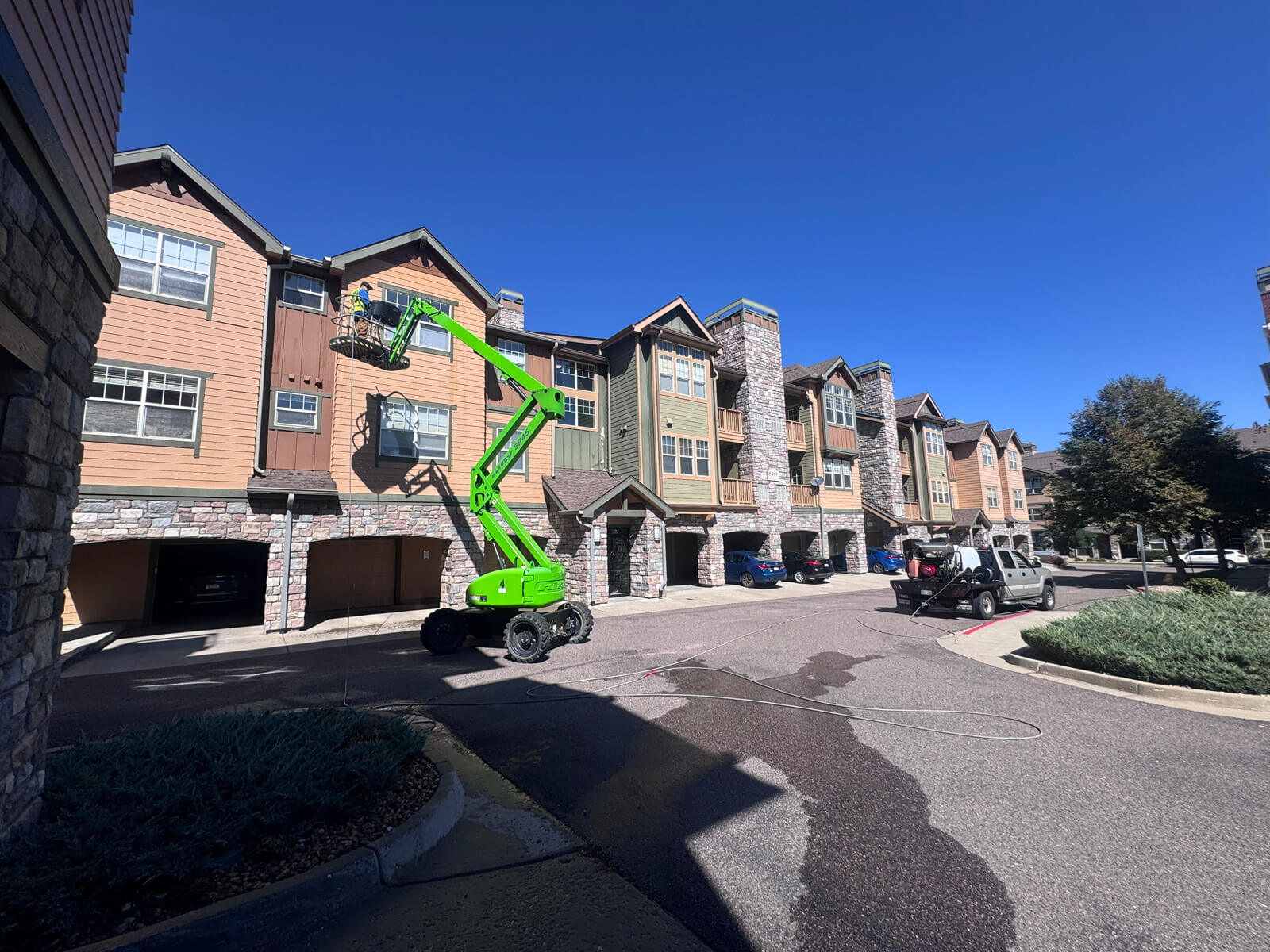
Pricing for pressure washing in Littleton can vary widely based on square footage, the number of stories, surface type, degree of staining, access, and whether the job requires special treatments (for example, heavy oil removal or rust mitigation). Flat, open concrete is usually quicker to clean than tight areas with steps, edges, and decorative borders, and multi-story homes can add setup and safety time. The best way to get an accurate quote is to provide a few photos and a short description of the surfaces you want cleaned, along with any problem areas you’ve noticed. A detailed quote should spell out what will be cleaned, what products may be used, and whether the price includes post-job rinsing and cleanup.
How often you should schedule pressure washing depends on exposure and use. Many homeowners find that an annual house wash keeps siding and trim looking fresh, while driveways and sidewalks benefit from cleaning every 12–24 months, especially if trees, sprinklers, or shade contribute to algae and mildew. High-traffic commercial walkways may require more frequent service to maintain appearance and reduce slip risk. Between professional cleanings, simple habits—like sweeping grit off concrete, rinsing spills quickly, trimming vegetation away from siding, and adjusting sprinklers to avoid constant wall overspray—can slow staining and help your next wash go faster.
Ultimately, Littleton pressure washing is about protecting your investment while making your property look its best. A thorough, well-executed cleaning can brighten concrete, revive siding, and restore the “just maintained" look that’s hard to achieve with spot cleaning alone. Whether you’re preparing to sell, tackling seasonal cleanup, or setting up a recurring maintenance plan for a business, choosing a provider who uses the right combination of techniques—high pressure where appropriate, soft washing where needed, and careful site protection throughout—helps ensure a clean finish that lasts. With a straightforward consultation and a plan tailored to your surfaces, you can transform the exterior of your home or storefront in a single visit.
For properties with tougher staining, specialty treatments can make a noticeable difference. Rust spots from fertilizer, metal furniture, or irrigation can often be reduced with targeted products, while white, chalky “efflorescence" on masonry may require a different approach than typical dirt removal. Similarly, older concrete with deep-set oil can benefit from multiple applications and hot-water washing rather than a single pass. After cleaning, some owners choose to seal concrete, pavers, or wood to help repel water and staining and to make routine maintenance easier. If you’re considering sealing, ask your provider about recommended dry times, surface condition, and the type of sealer that best matches your use—whether that’s a breathable penetrating sealer for concrete or a finish that enhances color on decorative pavers.