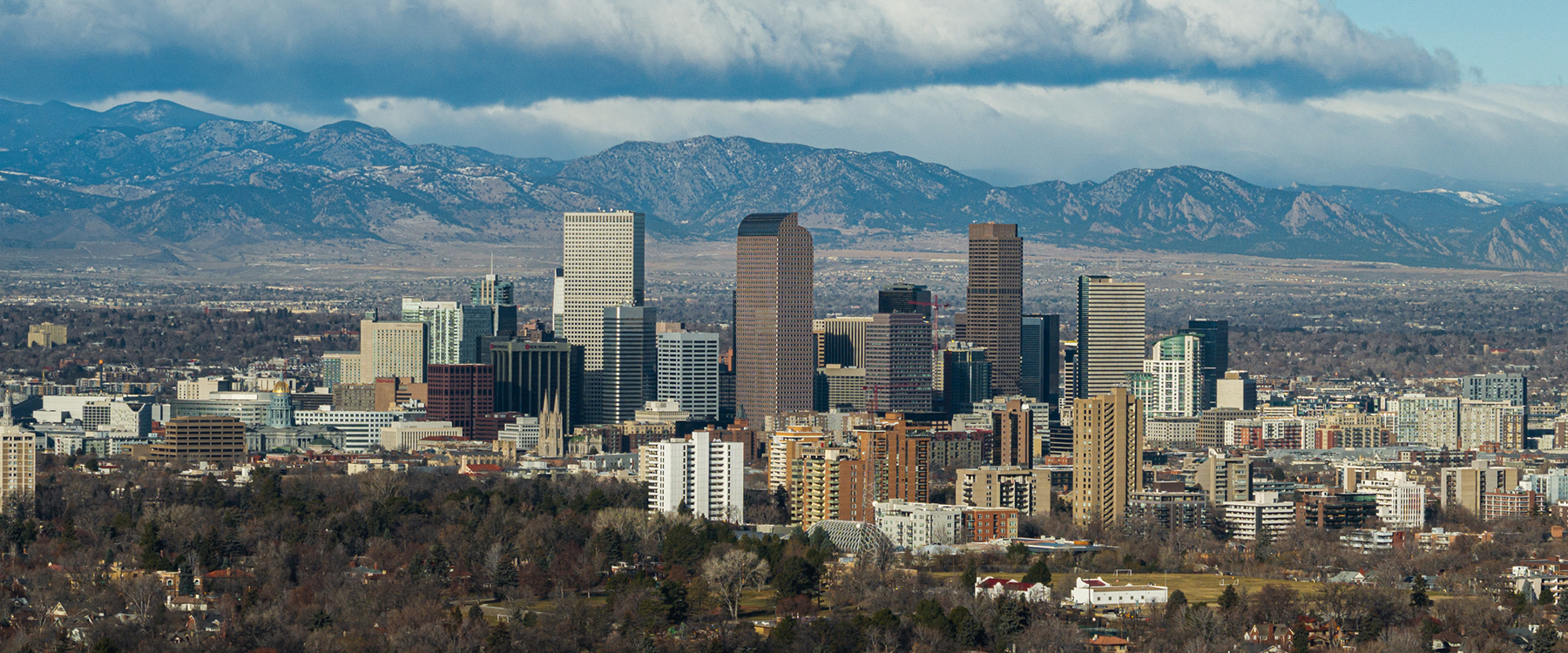
Denver Pressure Washing Services
Pressure washing (also called power washing when heated water is used) is one of the fastest, most cost-effective ways to refresh the appearance of a home or commercial building. In Denver, where properties face intense sunshine, sudden storms, wind-driven dust, and winter freeze–thaw cycles, exterior surfaces can collect grime and develop stains faster than many owners expect. A professional Denver pressure washing service uses controlled water pressure, surface-safe cleaning solutions, and the right tools to lift dirt, algae, mildew, rust marks, and traffic film without damaging siding, concrete, brick, or other finishes. The result is a cleaner-looking property, improved curb appeal, and—just as importantly—better long-term protection for the materials that make up your exterior.
Why Pressure Washing Matters in Denver’s Climate
Denver’s Front Range environment is hard on exterior surfaces. Dry periods can leave a fine layer of dust and soot on stucco, siding, and windows. Spring and early summer bring pollen and organic debris that settle into porches, patios, and outdoor furniture. Then winter adds snowmelt, road splash, and de-icing residue that can discolor walkways and driveways. Add hail, gusty winds, and the temperature swings that cause materials to expand and contract, and it’s easy to see why routine exterior cleaning becomes part of responsible property maintenance in the metro area.
Even though Denver is known for low humidity compared with many regions, moisture still lingers in shaded or north-facing areas—especially around downspouts, fences, and the edges of foundations. Those spots can develop green algae, dark mildew staining, and slick buildup on concrete that becomes a slip hazard. On high-traffic surfaces like driveways and parking pads, oil drips, tire marks, and rust stains can set in over time. Pressure washing addresses these problems early, helping you avoid deeper discoloration, premature wear, and more expensive repairs down the line.
Common Denver Pressure Washing Services
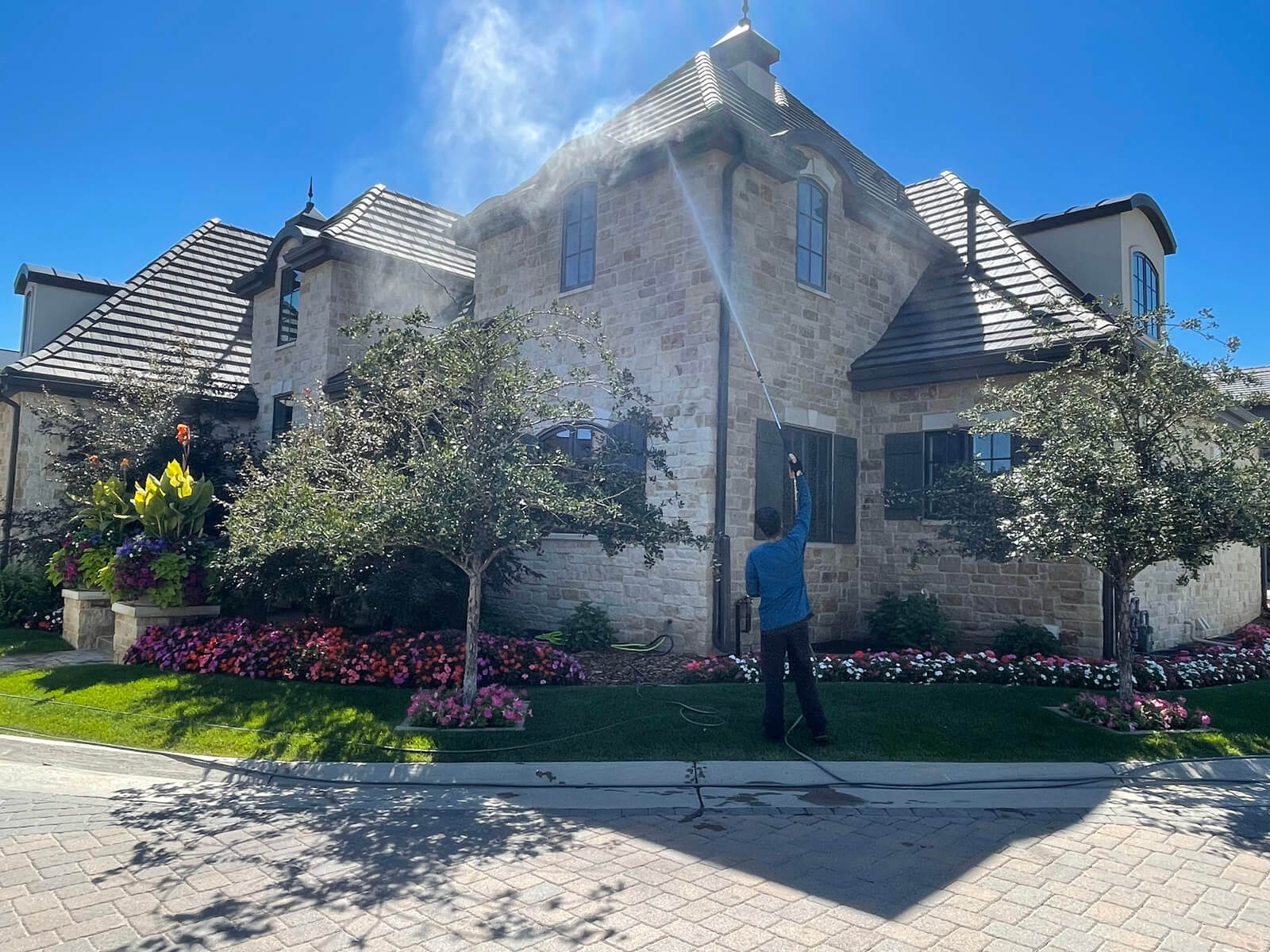
- House washing: Gentle exterior cleaning for siding, stucco, brick, and trim to remove dust, cobwebs, and atmospheric grime.
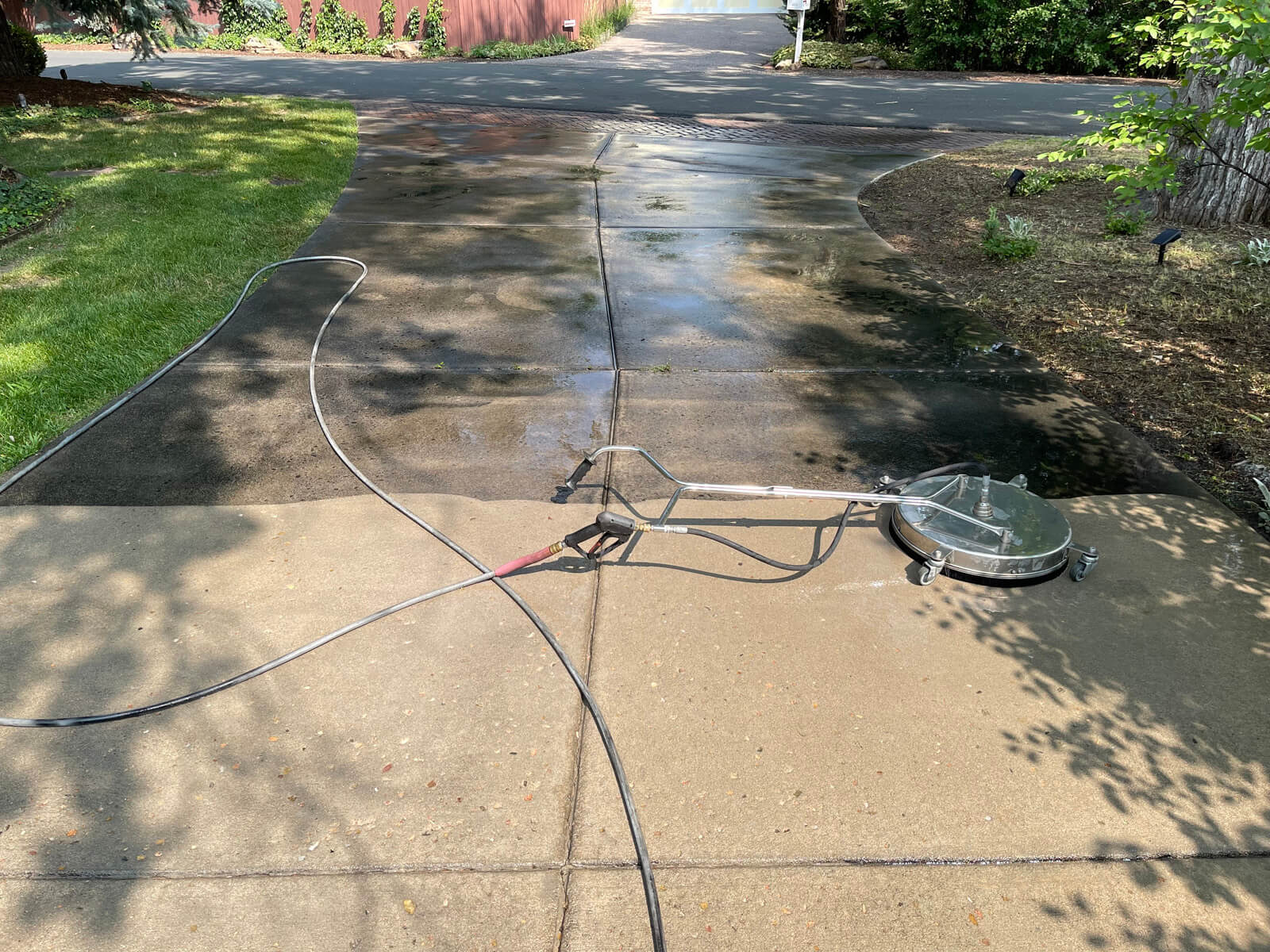
- Driveway and sidewalk cleaning: Concrete and paver washing to reduce staining, brighten the surface, and improve traction.
- Patios, porches, and pool decks: Removal of algae and embedded dirt from outdoor living areas.
- Deck and fence cleaning: Preparation for staining or sealing, with techniques that reduce wood damage and furring.
- Roof cleaning (soft wash): Low-pressure treatment designed to remove organic growth and streaking without harming shingles.
- Gutter brightening: Cleaning “tiger stripes” and oxidation marks that make gutters look aged.
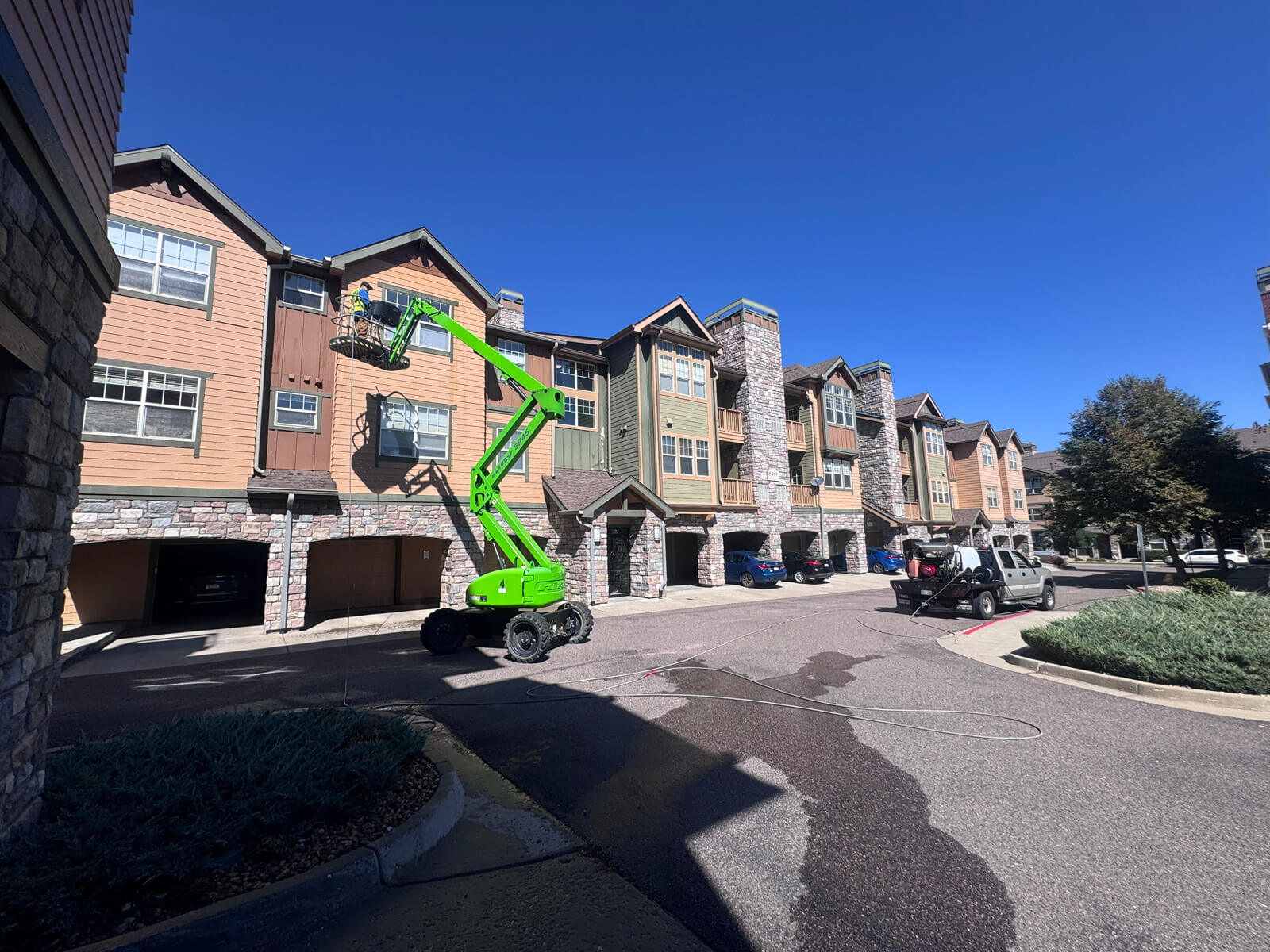
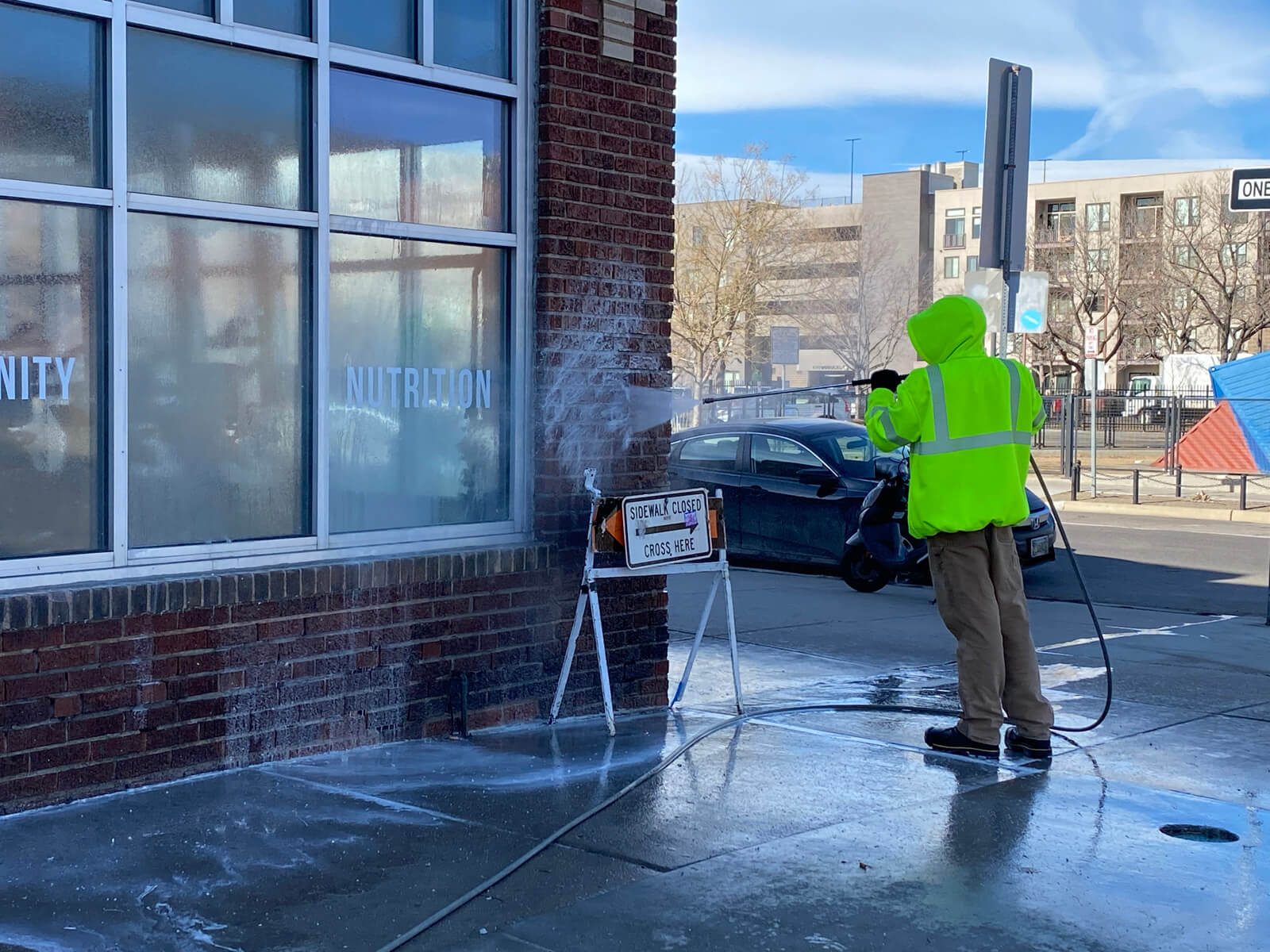
- Commercial storefront and building washing: Facade cleaning for brick, stone, EIFS, and painted surfaces to keep an inviting appearance.
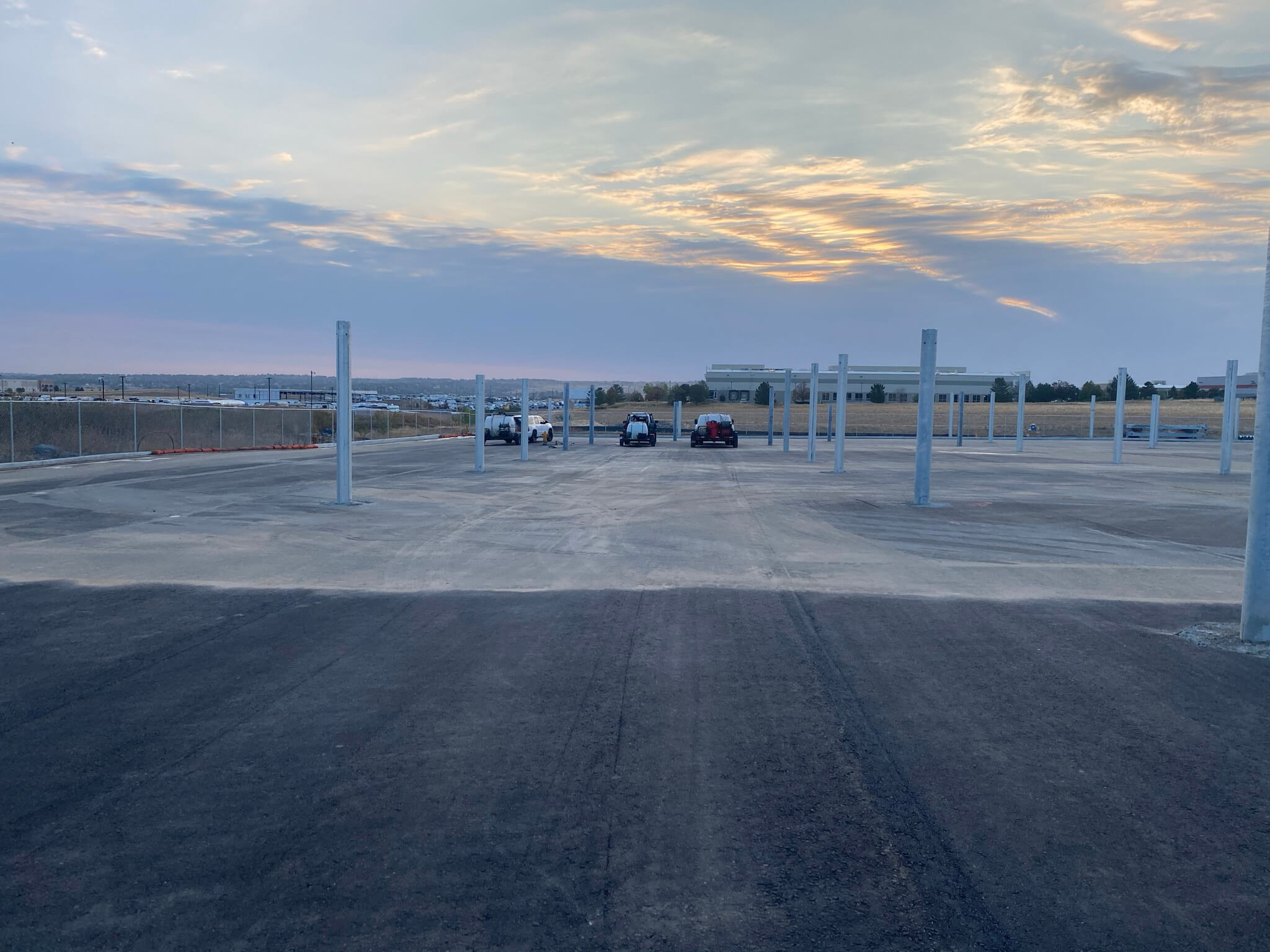
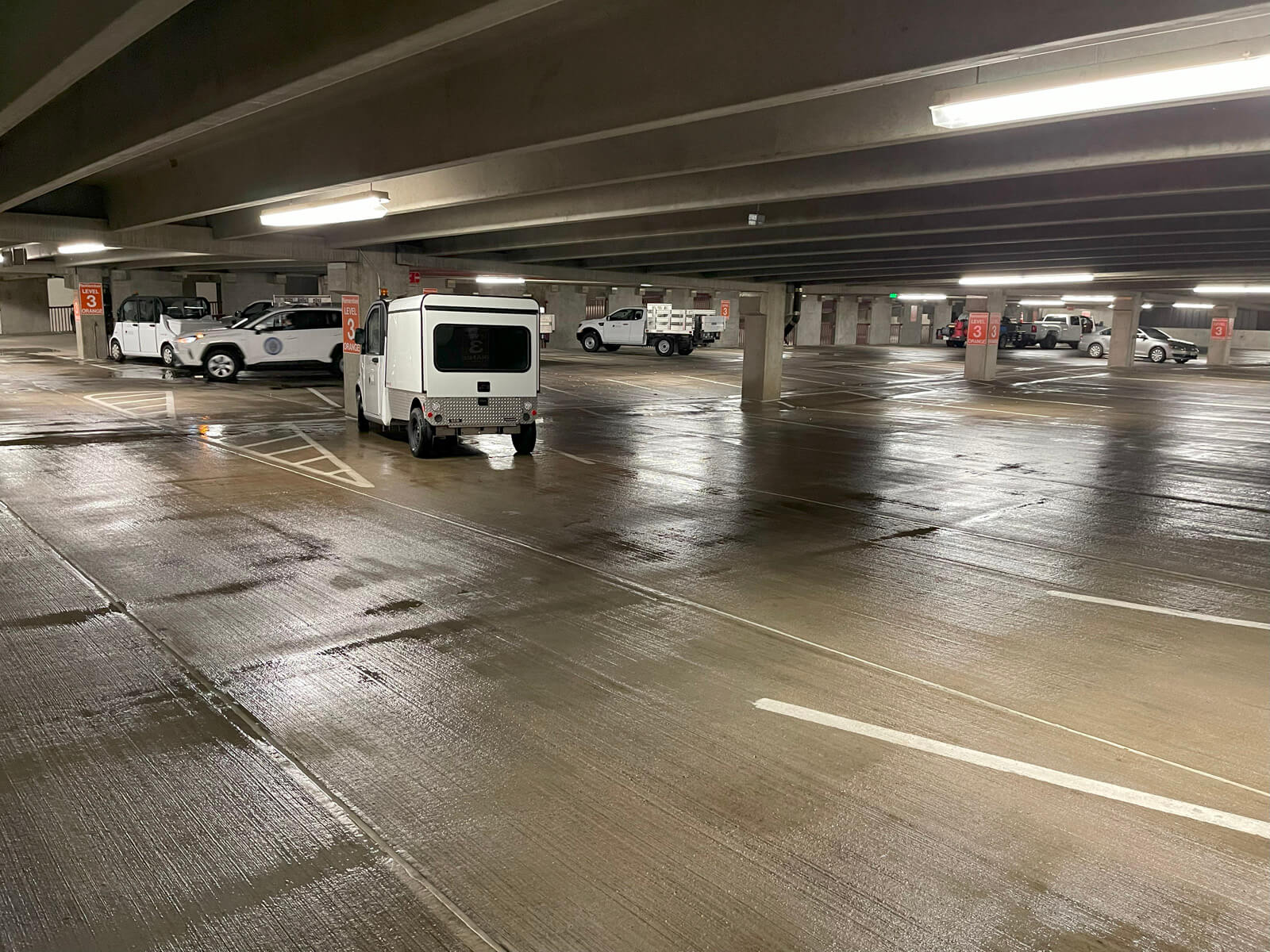
- Parking lots and loading areas: Degreasing and rinsing to reduce buildup in high-traffic zones.
- Graffiti and stain removal: Targeted treatments for paint, rust, and organic staining where appropriate.
Soft Washing vs. High-Pressure Cleaning: Using the Right Method
One of the biggest misconceptions about pressure washing is that “more pressure” automatically means “more clean.” In reality, many surfaces in and around Denver homes—painted trim, vinyl siding, stucco, older mortar, wood decking, and roofing—can be damaged by overly aggressive pressure. Professional cleaners typically choose between two approaches: controlled pressure washing for hard, durable materials (such as properly cured concrete) and soft washing for delicate or porous surfaces. Soft washing relies on lower water pressure paired with specialized detergents that break down organic growth and lift grime so it can be rinsed away safely.
Because Denver properties often mix materials—brick with painted trim, concrete with pavers, cedar fencing beside metal fixtures—an experienced technician will match the method to the surface. For example, concrete driveways may call for a surface cleaner that evenly distributes pressure, while siding may be cleaned with a softer approach to protect paint and prevent water intrusion. The goal is the same in every case: remove buildup thoroughly while keeping the underlying material intact.
Benefits of Pressure Washing for Homes and Businesses
A clean exterior does more than look good. Regular Denver pressure washing can extend the life of finishes, reduce safety risks, and help your property make a stronger first impression—whether you’re welcoming guests to your home, attracting customers to a storefront, or preparing a building for sale or lease. When dirt and organic growth sit on a surface for months or years, they can trap moisture, accelerate deterioration, and make future cleaning more difficult.
- Boost curb appeal instantly: Brightens siding, sidewalks, and entryways, making the property look better cared for.
- Protect exterior materials: Removes contaminants that can degrade paint, stain, sealants, and masonry over time.
- Improve safety: Reduces slippery algae and mildew on concrete, steps, and decks.
- Support preventive maintenance: Helps spot issues like failing caulk, cracked mortar, or damaged wood that might otherwise be hidden by grime.
- Prepare surfaces for painting or sealing: Provides a cleaner substrate so coatings adhere better and last longer.
- Create a better customer experience: For businesses, a clean entrance and storefront can influence perception and trust.
- Help manage allergens and odors: Washing away pollen and organic residue can make outdoor areas more comfortable in peak seasons.
What to Expect From a Professional Denver Pressure Washing Appointment
While every property is different, most reputable pressure washing providers follow a consistent process designed to deliver reliable results while protecting landscaping, paint, and exterior fixtures. A typical service begins with a walk-through to identify surface types, heavy staining, water-sensitive areas, and any pre-existing damage. Technicians may pre-wet nearby plants, cover outlets or delicate fixtures, and select detergents based on what they’re removing—organic growth, grease, rust, or general soil.
- Assessment and setup: Confirm access to water, review target areas, and plan a safe workflow.
- Surface preparation: Move lightweight items, pre-rinse surfaces, and protect vegetation and sensitive components.
- Application of cleaning solution: Use appropriate detergents to loosen grime and break down algae or mildew.
- Controlled washing: Clean using the correct nozzle, pressure range, and distance for the material.
- Detail work: Address edges, corners, stairs, and stubborn spots with targeted techniques.
- Final rinse and walkthrough: Rinse residues thoroughly and confirm results with the property owner or manager.
- Cleanup: Reposition items, remove coverings, and leave the area tidy.
How Often Should You Pressure Wash in Denver?
Many Denver homeowners schedule pressure washing once a year—often in spring to clean off winter residue or in early fall to remove summer dust and organic buildup before colder weather. However, the ideal schedule depends on factors like nearby trees, irrigation overspray, shaded areas that stay damp, and how much foot or vehicle traffic your concrete sees. Commercial properties may benefit from more frequent cleanings, especially around entrances, sidewalks, dumpster pads, and loading areas where grime and stains accumulate quickly.
- High shade or north-facing surfaces that encourage algae or mildew.
- Overhanging trees that drop sap, leaves, and debris onto roofs and patios.
- Busy driveways or shared parking where oil drips and tire marks are common.
- Sprinkler overspray that causes mineral deposits and streaking on walls and fences.
- HOA standards or retail expectations that require consistent curb appeal.
Choosing a Denver Pressure Washing Company: What to Look For
Not all pressure washing is the same, and the difference often comes down to training, equipment, and how carefully a crew adapts the process to your specific property. When you compare Denver pressure washing providers, look beyond the headline price and ask how the company prevents surface damage, protects landscaping, and handles wastewater responsibly. A detailed estimate that explains what will be cleaned, what methods will be used, and what results to expect is usually a good sign.
- Clear scope of work: Specific areas included, any exclusions, and how stubborn stains will be addressed.
- Appropriate methods: Will they use soft washing where needed, surface cleaners on concrete, and the right detergents for the stain type?
- Protection steps: How plants, outdoor furniture, light fixtures, and electrical components are safeguarded.
- Insurance and professionalism: Proof of insurance and a track record of reliable scheduling and communication.
- Experience with your materials: Stucco, brick, wood, composite decking, pavers, and specialty coatings each require different care.
- Environmental awareness: Practices for minimizing runoff and using solutions appropriate for the area.
- Before-and-after expectations: Understanding that some deep stains may lighten significantly but not disappear completely in one visit.
DIY vs. Professional Pressure Washing
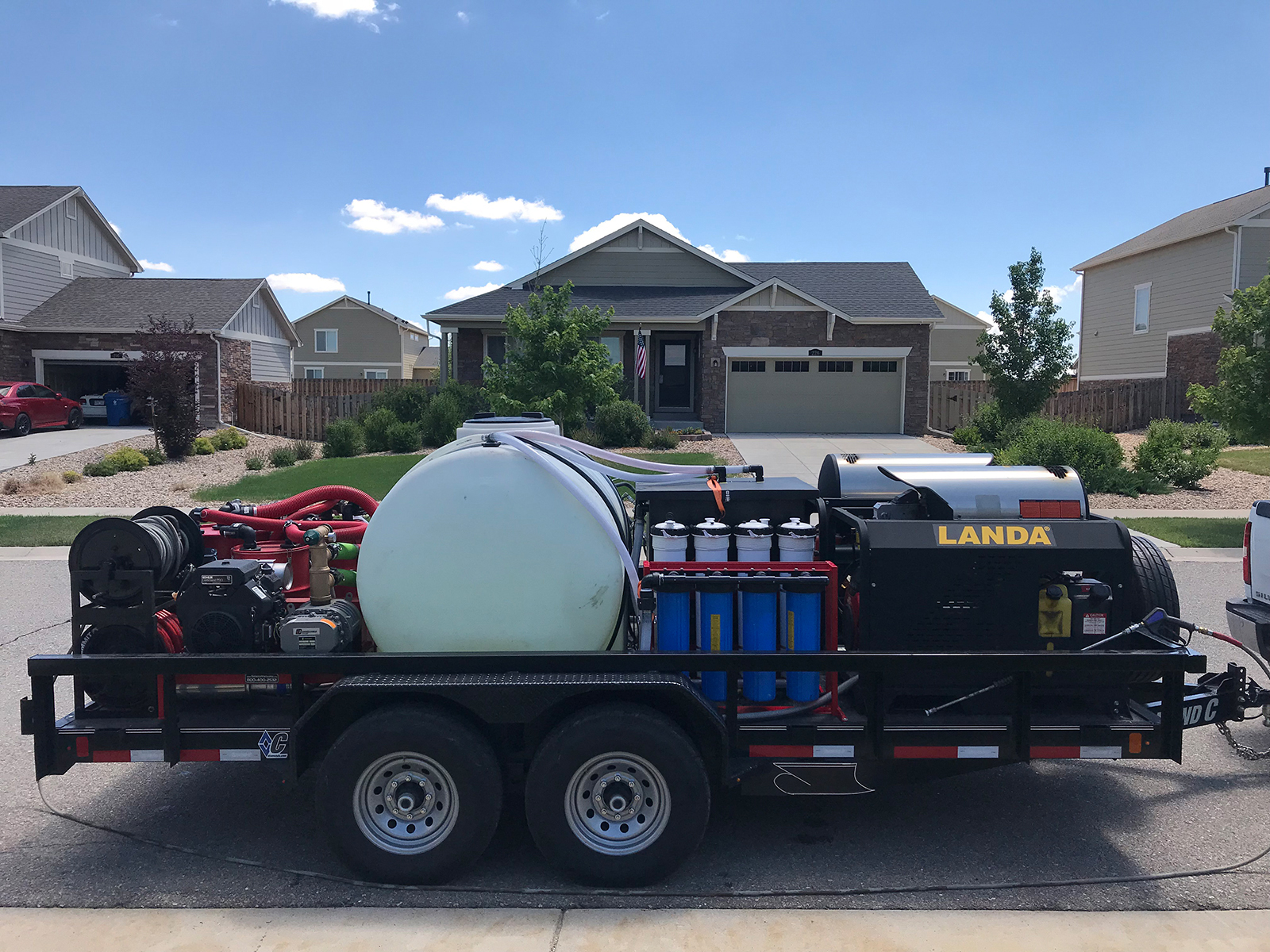
Renting a pressure washer can be tempting, especially for small jobs. But DIY cleaning often runs into two challenges: using the wrong pressure for the surface and underestimating how much technique matters. Too much pressure (or the wrong nozzle angle) can etch concrete, strip paint, scar wood fibers, and force water behind siding. Too little pressure leaves uneven results and “cleaning lines” that are hard to correct. Professionals also bring commercial-grade equipment, surface cleaners that reduce striping, and detergents formulated to treat specific staining so the cleaning is more consistent and longer lasting.
If you do tackle a project yourself, prioritize safety (eye protection, proper footwear, and careful ladder use) and test a small area first. For multi-surface exteriors, roof cleaning, heavy staining, or any project where overspray could affect neighbors, landscaping, or pedestrians, hiring a trained Denver pressure washing team is often the safer choice.
A Cleaner Property Starts With the Right Wash
Whether you’re maintaining a single-family home, managing a rental, or keeping a commercial location looking its best, Denver pressure washing is a practical investment in appearance and upkeep. By removing the dust, residue, organic growth, and stains that build up through Colorado’s changing seasons, you can brighten surfaces, improve safety, and protect exterior materials from avoidable wear. The best results come from a thoughtful approach—using the right combination of pressure, detergents, and tools for each surface—so your property looks refreshed without unnecessary risk. If you’re planning a seasonal cleanup, preparing to paint or seal, or simply want your entry and outdoor spaces to feel clean again, scheduling a professional pressure washing service can make a noticeable difference in a single visit.