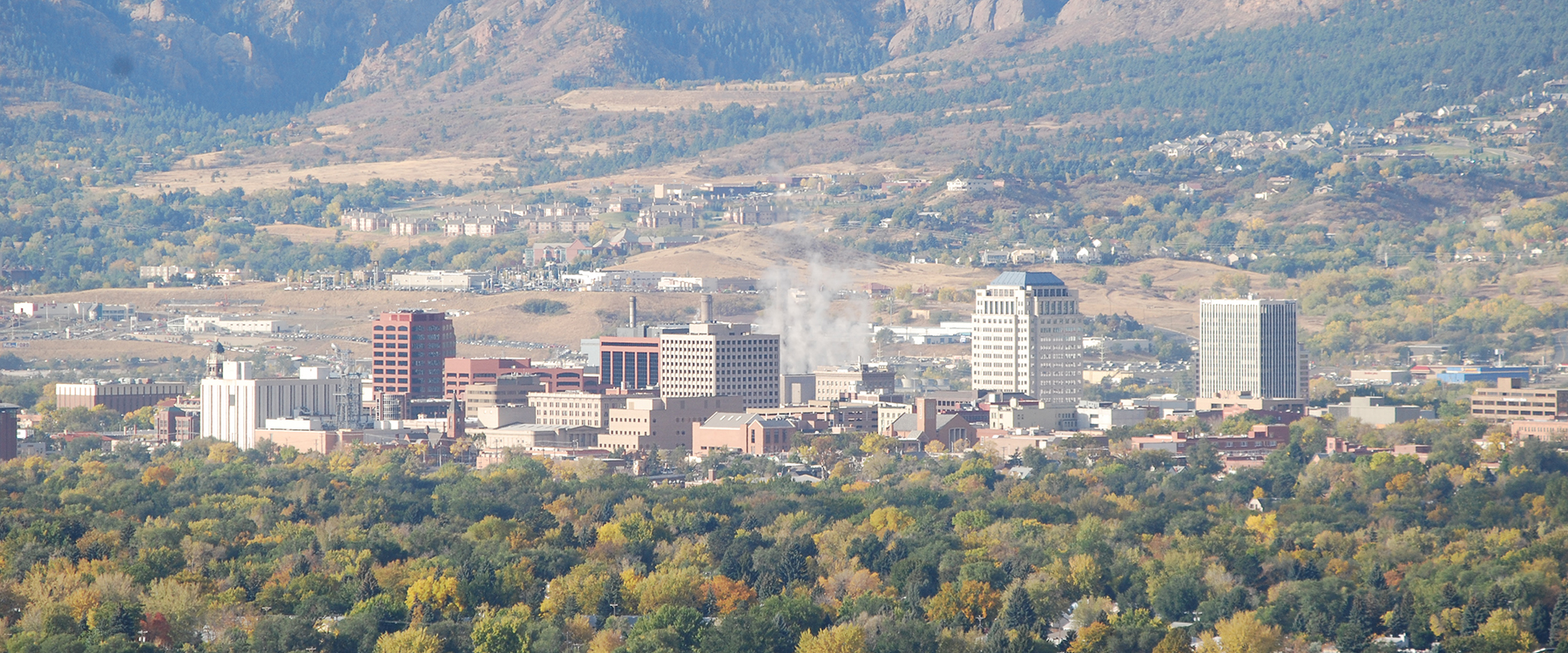
Colorado Springs Pressure Washing Services
Pressure washing is one of the fastest, most cost-effective ways to restore curb appeal and protect exterior surfaces in Colorado Springs. From winter de-icing residue on driveways to windblown dust on siding and sun-baked grime on patios, the Front Range climate can leave homes and businesses looking dull long before anything is “worn out.” Professional pressure washing (and the gentler, detergent-based alternative known as soft washing) removes built-up dirt, algae, mildew, efflorescence, and pollutants so paint, stain, and sealants last longer—and so walkways and entries stay safer underfoot.
Why Colorado Springs Exteriors Need Regular Washing
Colorado Springs sits at high elevation with intense sunshine, dramatic temperature swings, and a mix of urban pollutants and natural debris. Those conditions are tough on exterior materials. Winter brings snow, magnesium chloride or other de-icers, and gritty road sand that can stain concrete and track into garages and entryways. Spring and early summer bring pollen, cottonwood fluff, and wind-driven dust that clings to siding, soffits, and window trim. Monsoon-season storms can leave muddy splash marks on foundations and fencing. Throughout the year, strong UV exposure bakes organic matter onto surfaces, making it harder to remove if it’s ignored too long.
Local water and landscaping can also contribute to buildup. Overspray from sprinklers often leaves hard-water spotting and mineral scale on brick, stucco, and driveway edges. Shaded north-facing walls, areas near downspouts, and surfaces that stay damp can develop algae or mildew film. Masonry and concrete may show white, powdery efflorescence as salts migrate to the surface. Metal fixtures and fertilizer can create rust-colored streaking. The good news: most of these issues are surface-level, and a properly chosen cleaning method can remove them without damaging the underlying material.
Common Pressure Washing Services (Residential and Commercial)
Most Colorado Springs pressure washing companies offer a mix of exterior cleaning services tailored to the surfaces and soils common along the Front Range. Typical service categories include:
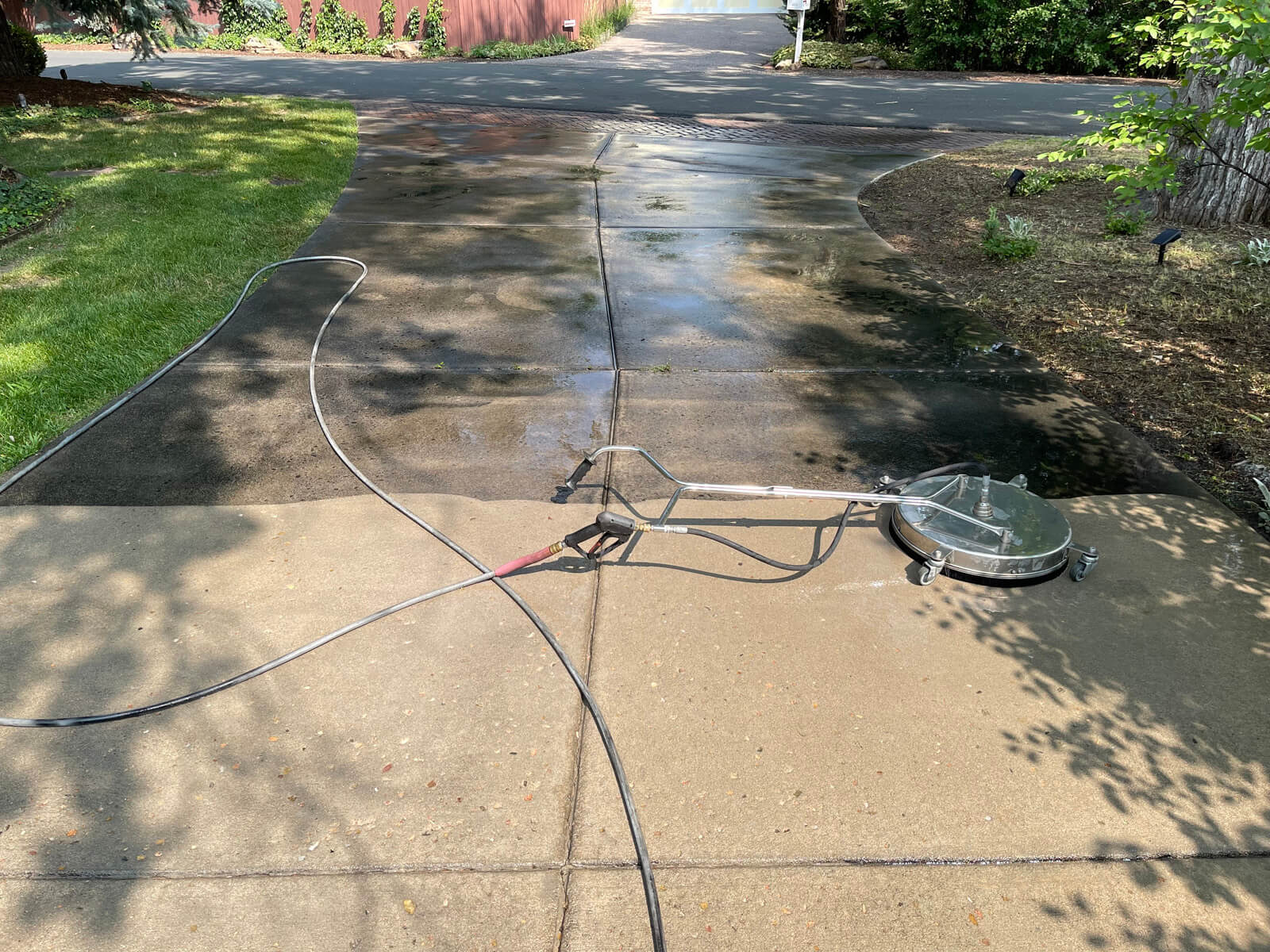
- Driveway and sidewalk cleaning: Removing road grime, de-icer residue, tire marks, and organic staining from concrete and pavers.
- Patio and pool-deck washing: Brightening outdoor living areas, reducing slippery algae in shaded spots, and preparing surfaces for sealing.
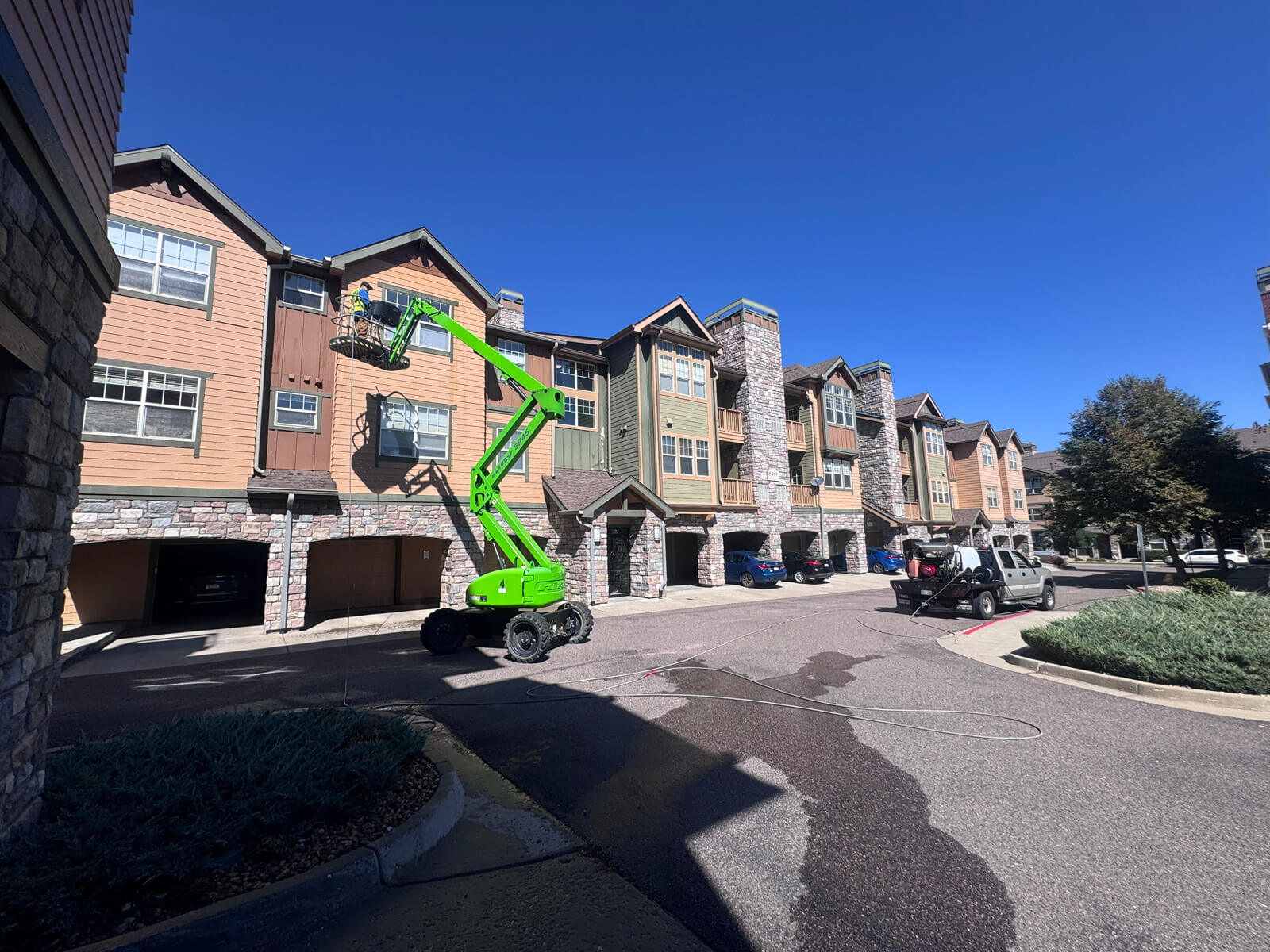
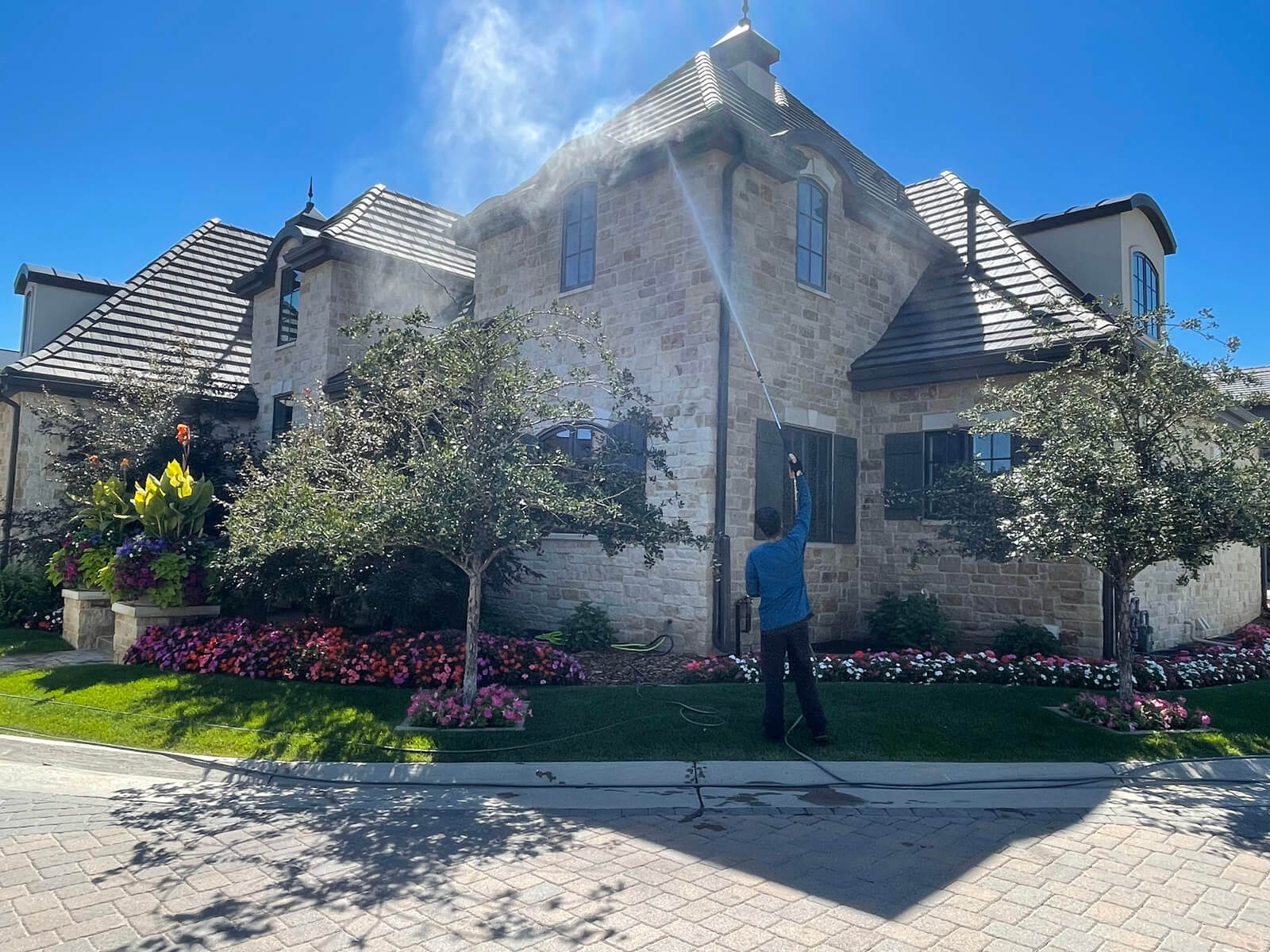
- House washing (soft wash): Low-pressure rinsing paired with detergents to safely clean vinyl, painted wood, stucco, and fiber cement.
- Roof cleaning: Soft-wash treatments to address moss or algae without blasting away granules on asphalt shingles.
- Fence and deck cleaning: Washing and brightening wood, then preparing it for stain or sealer.
- Gutter brightening: Removing “tiger stripes” and oxidation streaks on exterior gutter faces.
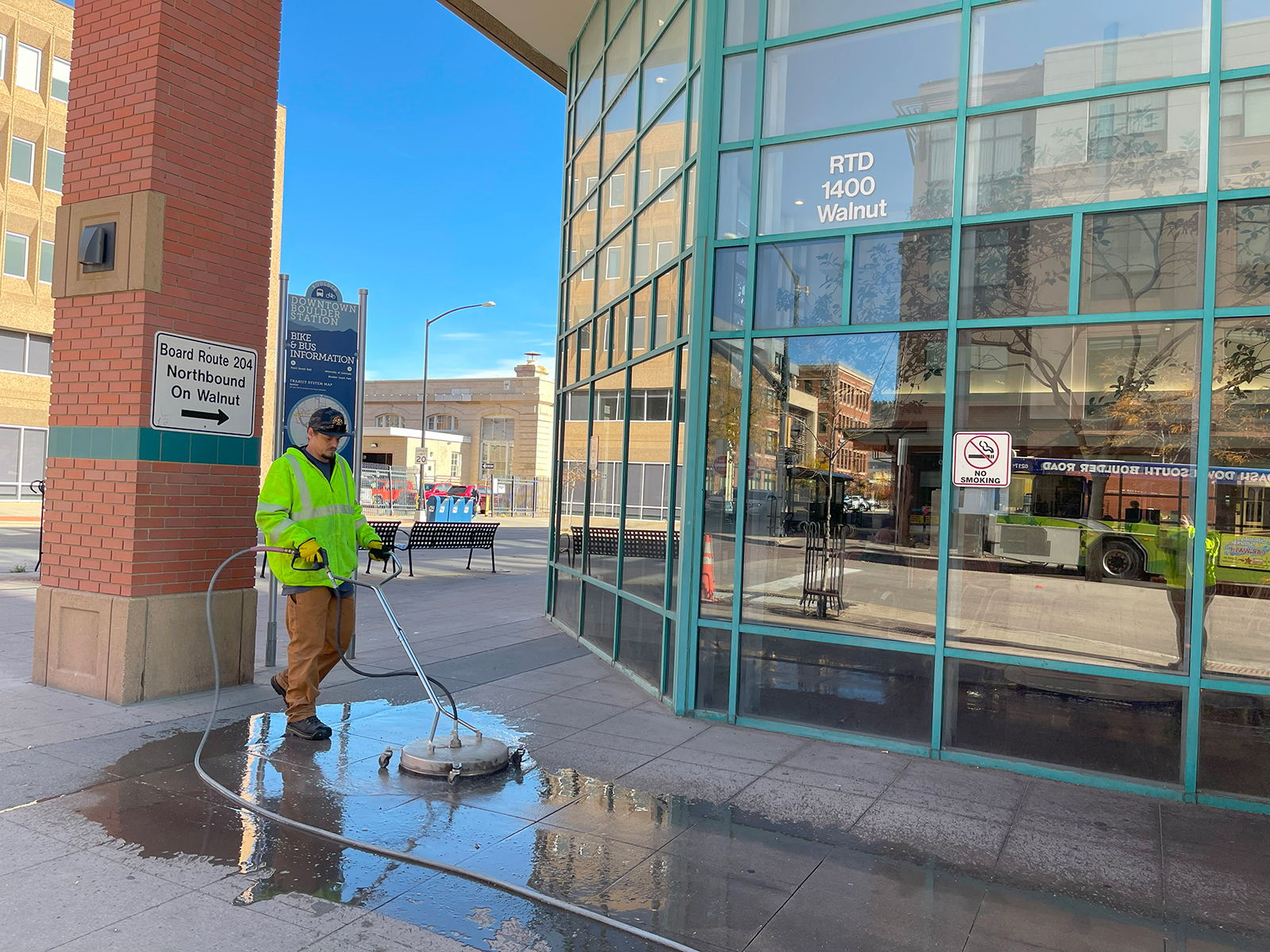
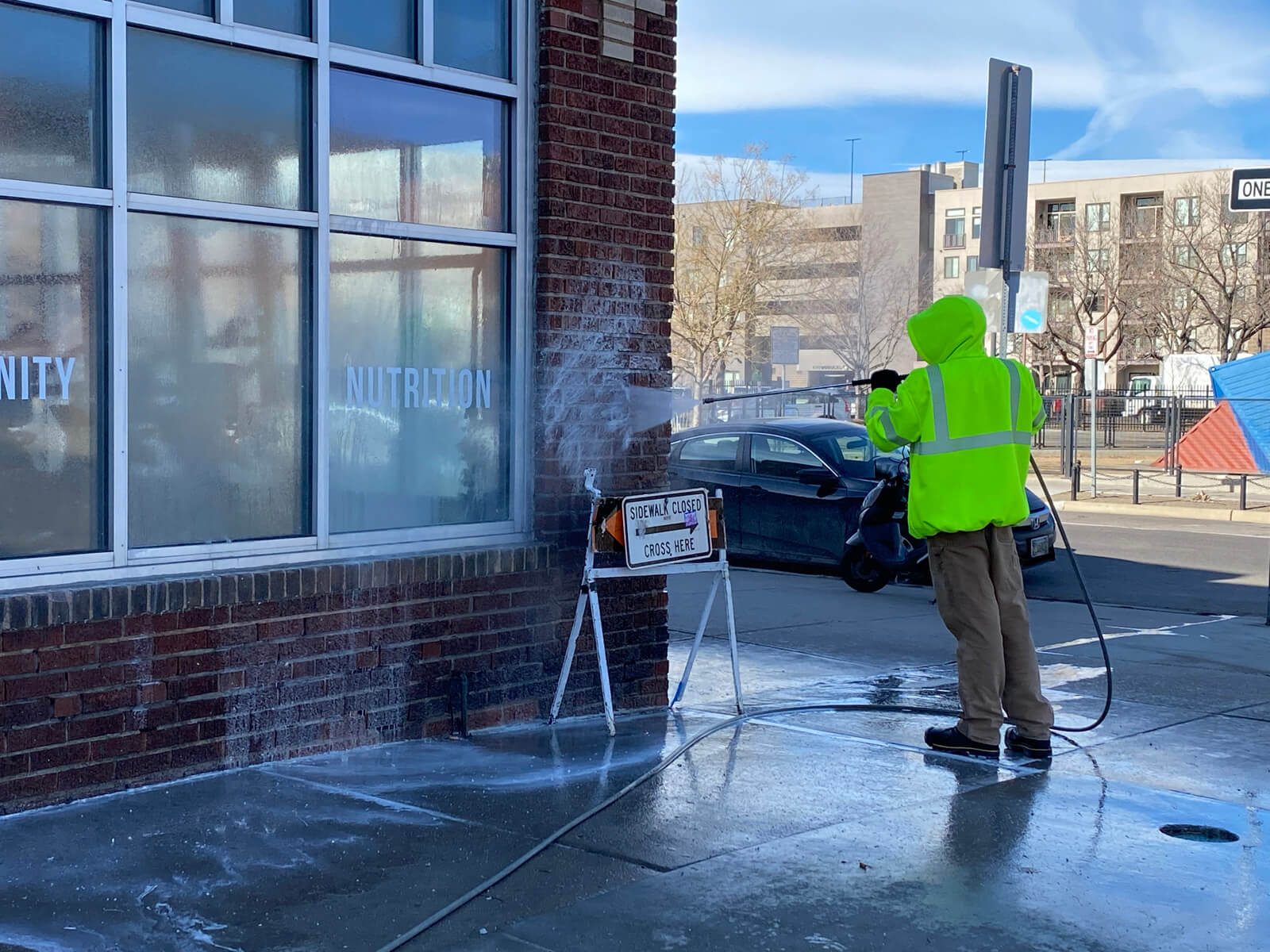
- Commercial storefront and walkway cleaning: Improving first impressions and reducing slip hazards at entries.
- Dumpster pad and service-area cleaning: Degreasing and odor control where spills and organic waste accumulate.
Pressure Washing vs. Soft Washing: Choosing the Right Method
Despite the name, not every exterior surface should be cleaned with high pressure. Pressure washing relies on mechanical force—water delivered at high PSI through specialized nozzles—to lift and rinse away grime. It’s ideal for durable materials like cured concrete, many paver systems, some stone, and certain unpainted metals. Soft washing uses lower pressure combined with purpose-built detergents to break down organic growth and staining, then rinses gently. This approach is often best for painted surfaces, siding, stucco, roofs, and areas where water intrusion or surface etching is a concern.
In Colorado Springs, where homes frequently feature stucco, stained wood accents, composite decks, and decorative stone, correct method selection matters. Too much pressure can scar wood, “fuzz” cedar, force water behind siding, or etch lines into concrete. Professionals control results by matching the process to the material: adjusting pressure and flow rate, selecting the right tip angle, using surface cleaners on flatwork to prevent striping, and allowing detergents enough dwell time to work so the rinse can stay gentle.
What to Expect From a Professional Pressure Washing Visit
- Site walk-through and surface assessment: The technician identifies delicate areas (older caulk, oxidized paint, loose mortar) and notes stains that may need specialty treatment.
- Protection and prep: Nearby plants are lightly rinsed and covered when appropriate; exterior outlets are kept dry; doors and windows are checked; furniture and décor are moved or protected.
- Pre-treatment: Detergents or degreasers are applied to break down organic growth, oils, or rust staining, with adequate dwell time.
- Cleaning pass: Flatwork is typically cleaned with a surface cleaner attachment for even results; vertical surfaces are washed top-to-bottom to avoid streaking.
- Rinse and detail work: The area is thoroughly rinsed, edges are touched up, and stubborn spots are addressed with a method appropriate to the stain.
- Final inspection and recommendations: The technician reviews results with you and may suggest sealing, spot treatments, or a maintenance cadence based on sun exposure and traffic.
Surface-by-Surface Considerations in Colorado Springs
Concrete and sidewalks: Concrete responds well to pressure washing, especially when paired with a rotary surface cleaner that prevents zebra-striping. In winter, de-icer residue can leave dull patches or light staining; spring cleanings often focus on restoring a uniform, brighter finish. For oil spots, a degreaser and agitation may be needed—some deep stains lighten significantly but may not disappear completely if they’ve penetrated.
Stucco and siding: Many Colorado Springs homes use stucco, fiber cement, or painted trim. These surfaces typically benefit from soft washing to remove dust, cobwebs, and mildew without forcing water into hairline cracks. A controlled rinse is also important around windows, weep screeds, and penetrations. If paint is already failing, washing can reveal the true condition of the coating—useful before repainting, but a reason to choose a contractor who will set expectations upfront.
Stone and brick: Natural stone, manufactured stone veneer, and brick accents collect dust in crevices and can show sprinkler minerals or efflorescence. Cleaning methods vary: gentle detergents and low pressure are often safest, while efflorescence may require specialty solutions and careful rinsing. Because masonry can be porous, professionals avoid overly aggressive pressure that could dislodge mortar or drive moisture behind veneer.
Decks and fences: Wood needs a measured approach—enough cleaning power to remove gray oxidation and grime, but not so much that the grain is damaged. After washing, wood typically requires drying time before staining or sealing, which is especially important in Colorado’s sunny, low-humidity conditions where surfaces can appear dry on top while still holding moisture underneath. Composite decking usually tolerates gentler washing and benefits from detergents that lift embedded dirt from textured patterns.
Pavers and decorative hardscapes: Interlocking pavers can look dramatically better after a wash, but the process may remove joint sand. Many homeowners pair cleaning with re-sanding (often with polymeric sand) and, optionally, sealing to stabilize joints and deepen color. An experienced contractor will discuss how your specific paver system is built and how to protect edges, borders, and nearby landscaping during the work.
Best Times of Year to Pressure Wash in Colorado Springs
Because Colorado Springs can swing from warm afternoons to freezing nights, timing matters. Many homeowners schedule a deep clean in spring to remove winter grime and freshen outdoor spaces before patio season. Early summer is popular for house washing and deck prep because consistent daytime warmth helps surfaces dry evenly. Fall cleanings can remove leaf tannins, dust, and summer buildup before weather turns cold, especially for concrete entries and walkways.
Professionals generally avoid washing when temperatures are expected to drop near freezing, since water can ice on shaded sections of concrete and create hazards. Wind is another factor along the Front Range: gusty days can push overspray onto windows or neighboring property and make chemical application less controlled. If you’re planning to seal concrete or stain a deck, your contractor may recommend washing several days in advance to allow for full drying and, when applicable, proper curing conditions.
Benefits Beyond Curb Appeal
A bright driveway and clean siding look great, but pressure washing also functions as preventative maintenance. Removing grime and organic growth helps exterior coatings last longer by reducing moisture retention and preventing small problems from becoming expensive repairs. Clean concrete and pavers also provide a safer walking surface by cutting down on slick algae film, especially in shaded areas near fences, retaining walls, or north-facing patios.
For businesses, regular exterior cleaning supports brand perception and customer comfort. A washed storefront, entry walkway, and parking area communicate professionalism, while cleaner dumpster pads and service corridors reduce odors and pest attraction. In multi-tenant properties and HOAs, routine washing can also help meet appearance standards and reduce complaints by keeping common areas consistently maintained.
Water Use, Runoff, and Safety Considerations
Responsible pressure washing is about more than strong equipment. Reputable contractors in Colorado Springs use methods designed to minimize impact on landscaping and surrounding property: pre-wetting plants, using appropriate detergents in the lightest effective concentration, and rinsing thoroughly so residue doesn’t linger on leaves or soil. For greasy commercial areas, contractors may use containment or recovery methods where needed and follow best practices for keeping wash water and debris out of storm drains.
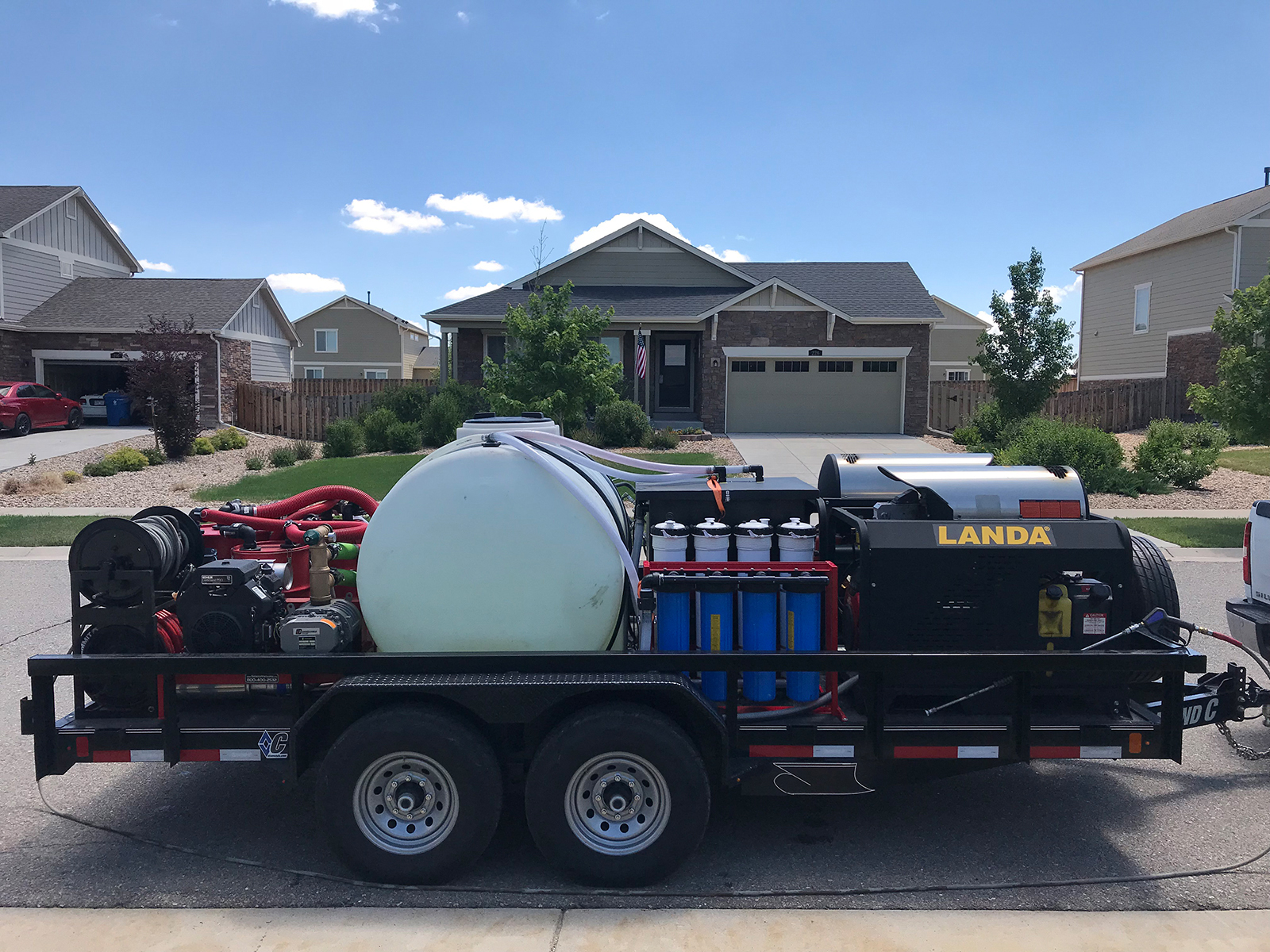
Safety is another major reason many property owners hire a professional. High-pressure water can injure skin, and wet surfaces create slip hazards. Trained technicians manage hose control, ladder use, and electrical risks around outlets and exterior lighting. Many also carry liability insurance and use commercial-grade equipment that delivers consistent pressure and flow, which helps prevent accidental surface etching or blown-out mortar that can happen with poorly matched settings.
How to Choose a Pressure Washing Company in Colorado Springs
Quality results come from technique as much as equipment. When comparing providers, it helps to look for a company that treats your surfaces as materials to be preserved—not just blasted clean. Consider asking:
- Do you use soft washing when appropriate (siding, stucco, roofing), and can you explain the method you recommend for my property?
- What steps do you take to protect plants, outdoor furniture, and adjacent surfaces?
- Will you use a surface cleaner for large concrete areas to reduce streaking?
- Can you provide proof of insurance and a clear written estimate outlining what is included?
- Do you have before-and-after examples of similar surfaces (stucco homes, paver patios, stained concrete)?
- How do you handle stubborn stains like rust, oil, or efflorescence, and what results are realistic?
- What maintenance schedule do you recommend based on sun exposure, shade, and traffic?
Bringing Back the “New” Look—Without a Remodel
Whether you’re preparing to list a home, refreshing a patio for summer gatherings, or maintaining a commercial property’s entrances, Colorado Springs pressure washing can deliver a noticeable transformation in a single visit. By pairing the right level of pressure with appropriate cleaners—and by accounting for local factors like de-icer residue, high-UV exposure, windblown dust, and sprinkler minerals—professional exterior cleaning restores color and brightness while helping protect the surfaces you’ve invested in. If you’re considering service, start with a quick walk around your property, note the areas with staining or slippery buildup, and ask a local provider for a method-specific plan and maintenance timeline that fits your materials and your season.