Boulder Pressure Washing Services
In Boulder, Colorado, a clean exterior is more than curb appeal—it is a practical form of property care. Between spring pollen, summer dust, autumn leaf debris, and winter grit and de icers, outdoor surfaces collect layers of grime that can stain, become slippery, or slowly break down finishes. Pressure washing (and its gentler counterpart, soft washing) removes that buildup efficiently, helping homes and businesses look their best while protecting siding, masonry, concrete, and outdoor living spaces. Whether you manage a storefront on Pearl Street, own a rental near CU Boulder, or take pride in a foothills home with stonework and stained concrete, a thoughtful washing plan can restore brightness, reduce maintenance costs, and extend the life of exterior materials.
Pressure Washing vs. Soft Washing: What’s the Difference?
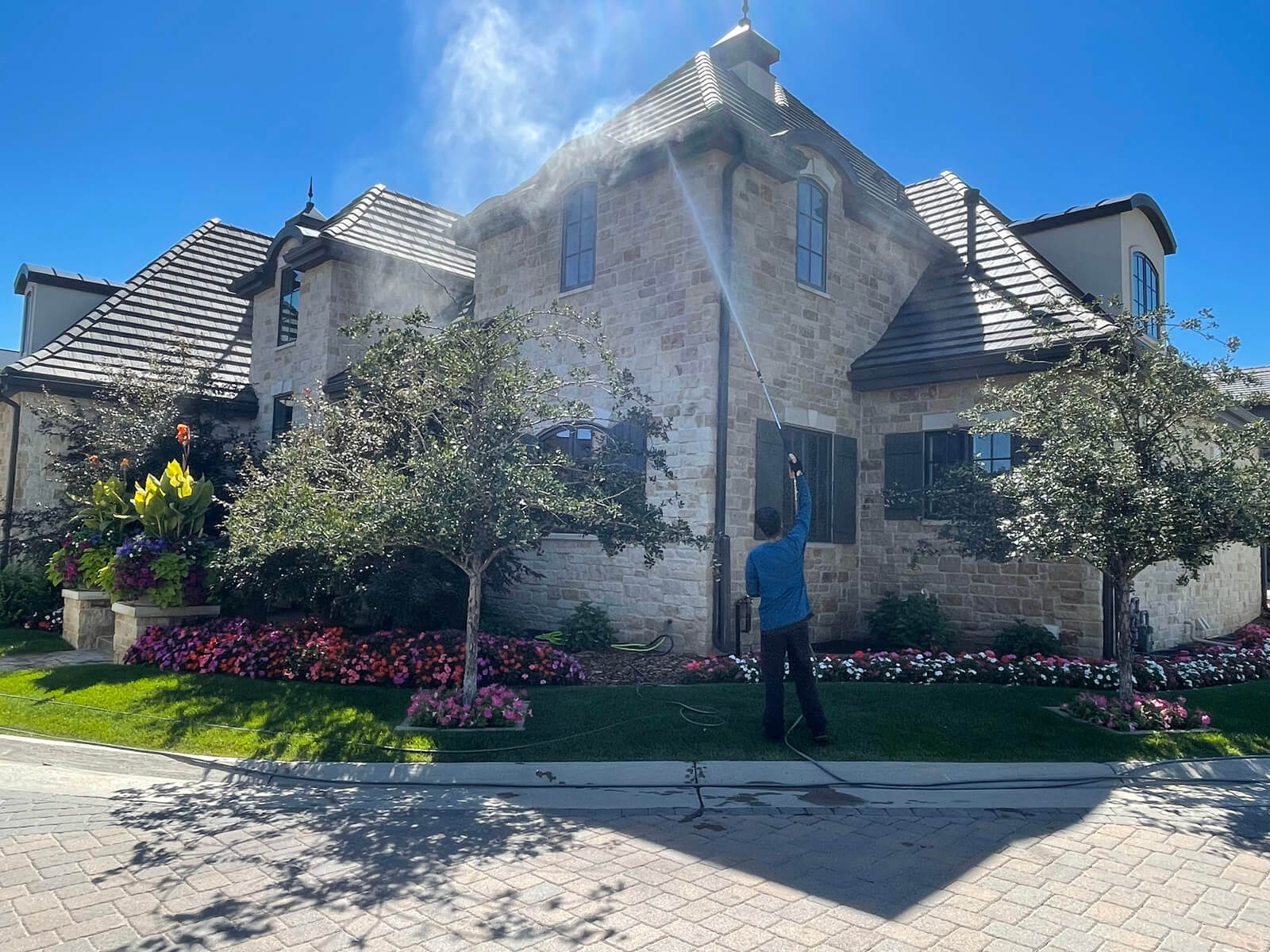
Pressure washing uses pressurized water—often paired with specialty nozzles and surface cleaners—to lift dirt and rinse it away. It is a strong option for durable materials like concrete, some pavers, and certain types of stone. Soft washing uses lower pressure and relies more on cleaning solutions and dwell time to loosen organic growth, spider webs, and atmospheric grime; it is typically safer for painted surfaces, stucco, wood siding, roof shingles, and delicate stone or mortar. In practice, reputable Boulder pressure washing professionals choose the method based on the surface type, the condition of coatings, the age of the material, and the kind of staining involved. The best results come from matching the approach to the substrate—not from using maximum pressure everywhere.
Common Exterior Cleaning Needs in Boulder
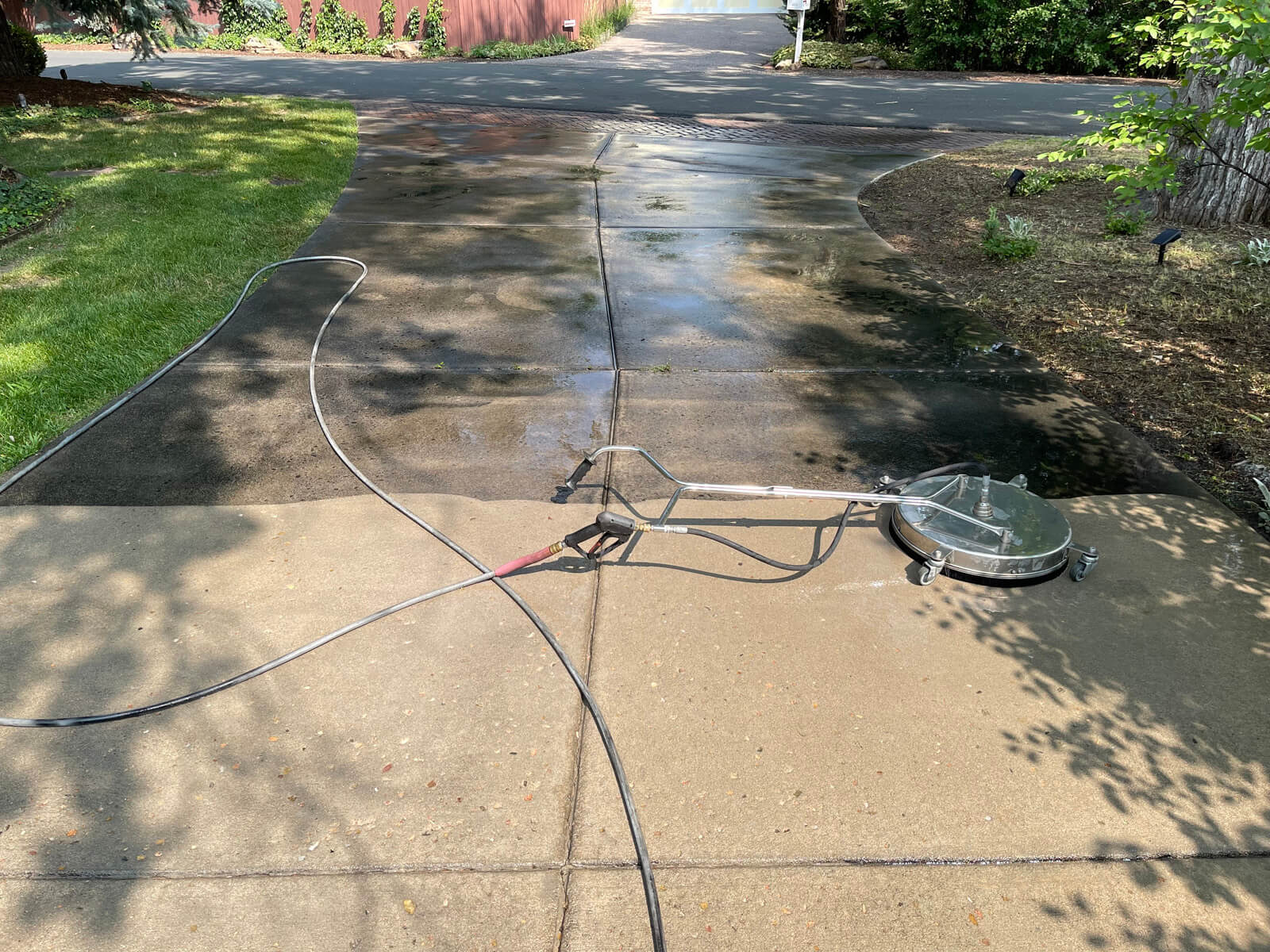
- Driveways and sidewalks: Tire marks, oil drips, chewing gum, winter grit, and darkened traffic paths that make concrete look older than it is.
- Patios and outdoor living areas: Food spills, smoke residue from grills, and algae in shaded corners that can become slick after rain or snowmelt.
- Stone, brick, and retaining walls: Dust, efflorescence (salty white haze), and organic growth along irrigation lines or in north-facing areas.
- Home siding (painted or stained): Spider webs, surface oxidation, airborne dirt, and streaking beneath windows or vents.
- Stucco and EIFS: Atmospheric discoloration that needs careful, lower-pressure washing to avoid etching or water intrusion.
- Decks and fences: Weathering, mildew, and gray wood fibers that benefit from gentle cleaning and brightening before sealing.
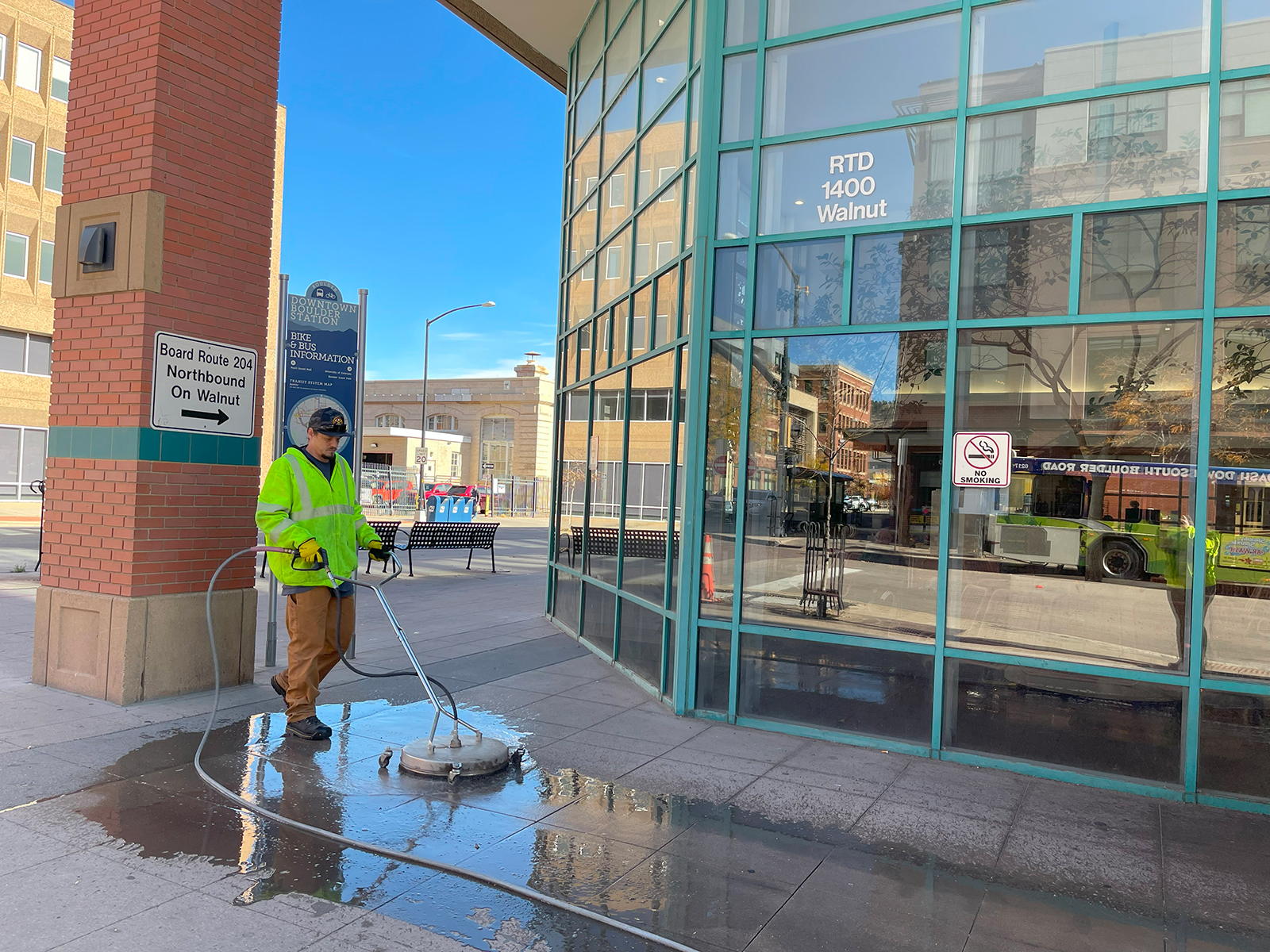
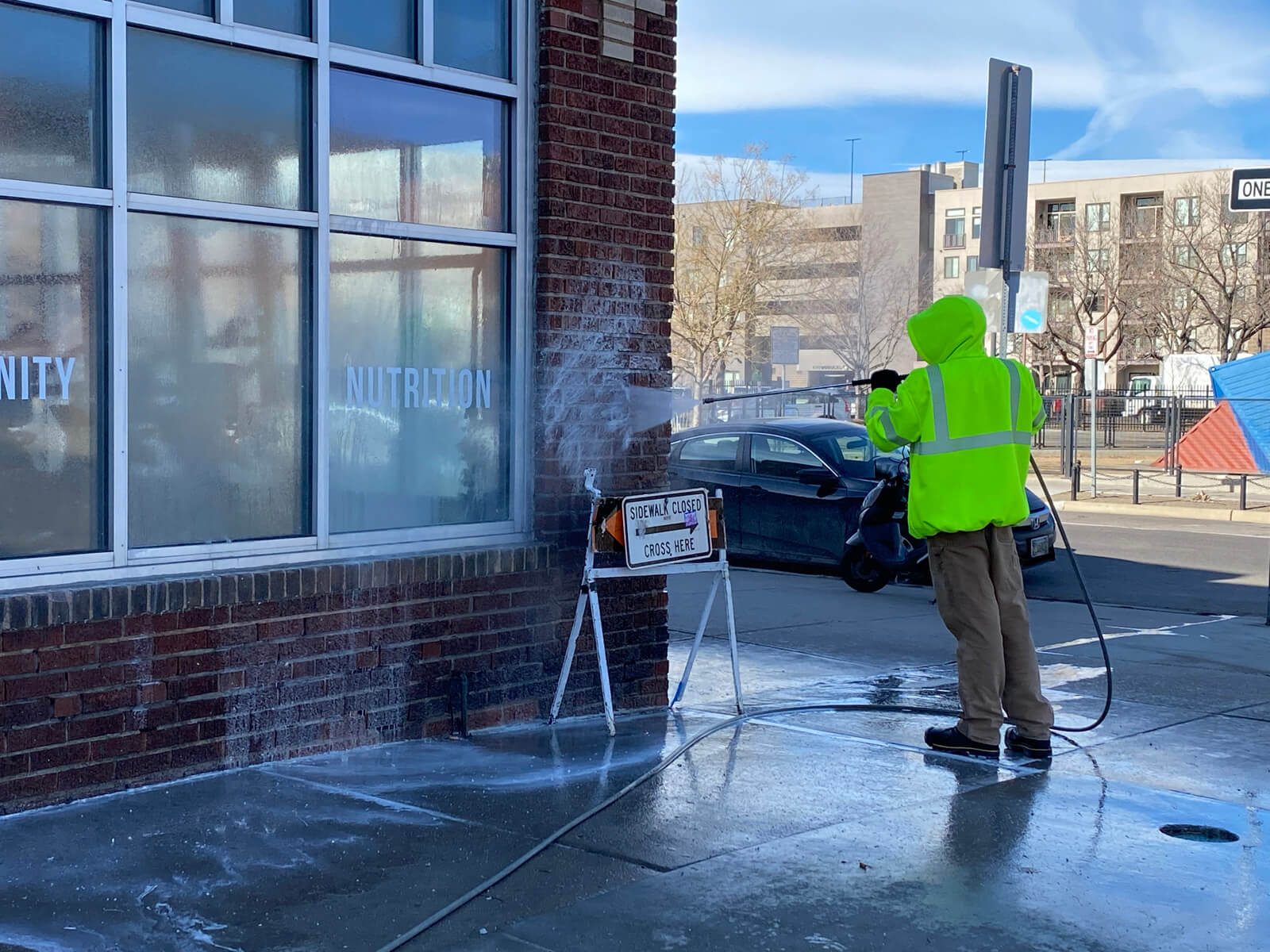
- Commercial storefronts and entries: High-visibility areas where clean sidewalks, loading pads, and entryways support a professional first impression.
What a Professional Boulder Pressure Washing Service Typically Includes
While every property is different, quality contractors tend to follow a consistent workflow designed to protect landscaping and deliver even, streak-free results. First, they inspect surfaces for cracks, failing paint, loose mortar, or areas where high pressure could cause damage. Next, they prepare the site by moving lightweight items, covering sensitive plants when needed, and checking water access and drainage paths. Many jobs include a pre-treatment step that loosens organic buildup and emulsifies grime so it rinses away instead of being forced deeper into pores.
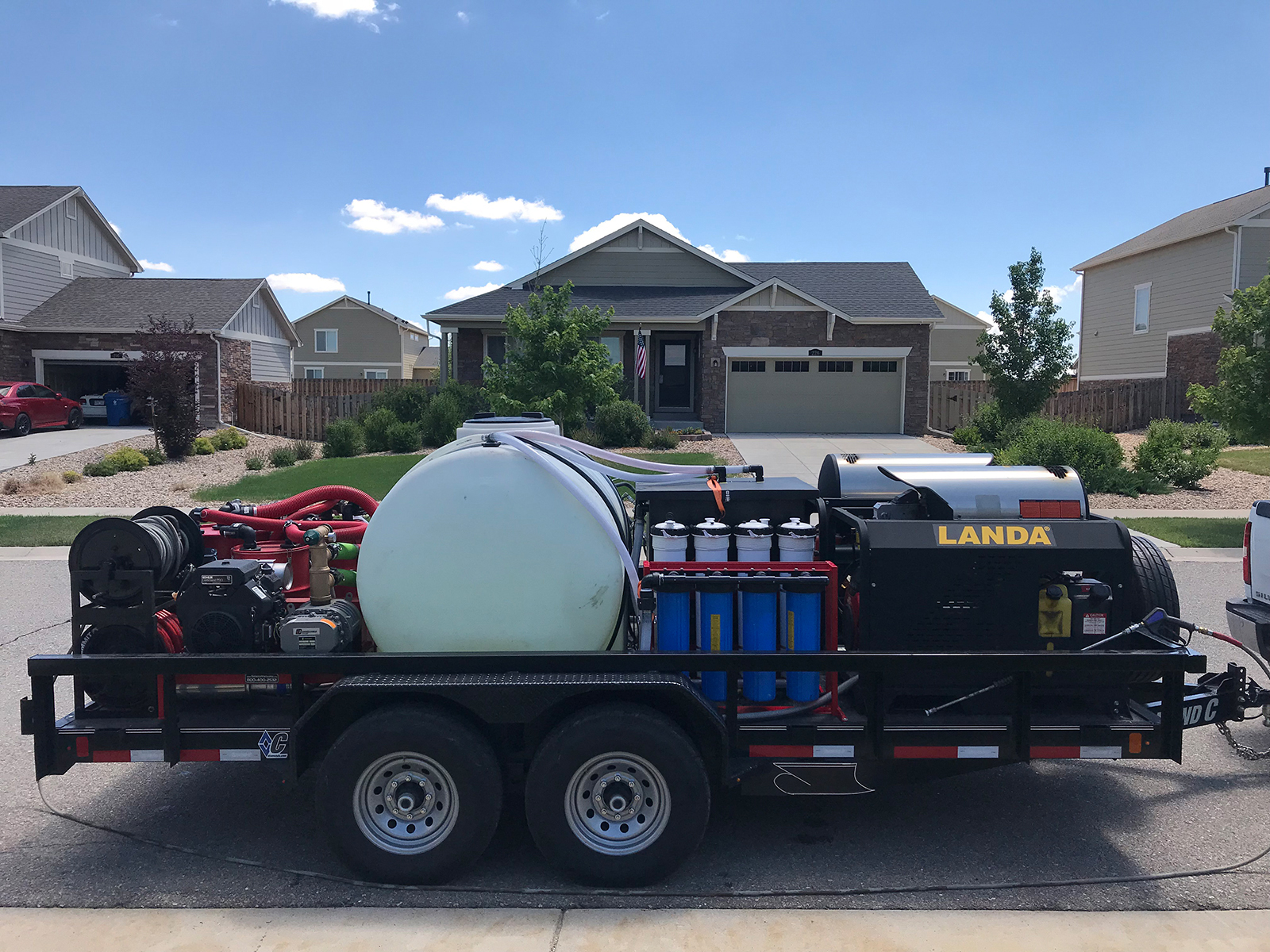
During cleaning, professionals adjust pressure, flow rate, nozzle angle, and distance from the surface. For flatwork such as driveways and sidewalks, they often use rotary surface cleaners that provide consistent coverage and minimize “tiger striping.” For siding, soffits, and other vertical surfaces, they use lower-pressure rinsing and controlled chemical application to avoid forcing water behind materials. After washing, crews typically perform a thorough rinse, remove protective coverings, tidy up debris, and complete a final walkthrough to confirm that stubborn spots have been addressed. A good provider will also offer maintenance recommendations—such as sealing concrete, resealing pavers, or scheduling periodic soft washes—to keep surfaces cleaner for longer.
Seasonal Timing in Boulder: When to Wash
Spring and early summer are popular times for exterior cleaning in Boulder. After winter, concrete and entryways often show tracked-in sand, salt residue, and darkened areas from repeated freeze-thaw cycles. A spring wash also clears away pollen and dust that settle on siding, patios, and outdoor furniture areas—helpful if you plan to stain a deck, host gatherings, or list a home for sale.
Late summer and fall washes are also common, especially for cleaning patios after heavy use and preparing surfaces before colder weather arrives. In winter, pressure washing is still possible on select days, but temperature matters: water can freeze on walkways and create hazards, and some cleaning solutions require specific conditions to work effectively. Many contractors recommend scheduling exterior projects when daytime temperatures are safely above freezing and when surfaces have time to dry. For commercial properties, winter work may focus on smaller, controlled areas such as loading pads or entryways, coordinated carefully to reduce slip risk.
Water-Conscious and Eco-Minded Cleaning Practices
Boulder residents often care about responsible water use and runoff management, and exterior cleaning can be done with those priorities in mind. Experienced contractors aim to use the minimum water needed for a thorough rinse, often relying on pre-treatment chemistry and efficient surface cleaning tools rather than prolonged high-flow rinsing. They may also use biodegradable detergents formulated for exterior applications and take steps to keep wastewater from entering storm drains—such as directing flow to appropriate drainage areas, capturing debris, or using containment methods where required. If your property sits near sensitive landscaping, vegetable gardens, or permeable pavers, it is worth discussing product selection and runoff control before the job begins.
Benefits of Pressure Washing for Boulder Homes and Businesses
- Improved curb appeal: Clean concrete, brighter siding, and refreshed stonework instantly make a property feel cared for.
- Safer walkways: Removing algae, moss, and greasy buildup can reduce slippery surfaces on shaded sidewalks and steps.
- Longer material life: Dirt and organic growth hold moisture against surfaces, which can accelerate wear—especially around grout, mortar, and wood fibers.
- Better prep for paint or stain: Proper washing is one of the most important steps before repainting siding or refinishing decks and fences.
- Protection against staining: Routine cleaning helps prevent deep, set-in discoloration from oils, rust, and organic matter.
- Professional appearance: For retail, offices, and multifamily properties, clean entries and sidewalks support tenant and customer confidence.
Choosing a Boulder Pressure Washing Contractor: What to Look For
Because pressure washing can damage surfaces when done incorrectly, selecting the right provider matters. Look for a company that explains its process clearly, distinguishes between pressure and soft washing, and is willing to adjust techniques for different materials on the same property. Transparent estimates, realistic outcomes, and a focus on protecting landscaping and finishes are all good signs.
- Are you insured, and do you carry liability coverage appropriate for residential/commercial work?
- Which surfaces will be pressure washed, and which will be soft washed?
- What cleaning products do you use, and are they appropriate around pets, plants, and irrigation systems?
- How do you prevent streaking on concrete and protect painted or oxidized siding?
- How will you manage runoff and wastewater, especially near storm drains?
- Do you offer add-on services such as concrete sealing, paver resanding, or deck brightening?
- What drying time should I expect, and when can I walk or park on the surface again?
- Can you share recent local references or before-and-after examples from similar surfaces?
Typical Service Scenarios Around Boulder
Homeowners often schedule an annual or semi-annual wash that includes the driveway, front walk, porch, patio, and a soft wash of siding and soffits. This is especially useful before summer entertaining or before exterior painting and staining projects. Homes with shaded areas, mature trees, or irrigation overspray may benefit from more frequent spot treatments where algae and mildew return faster.
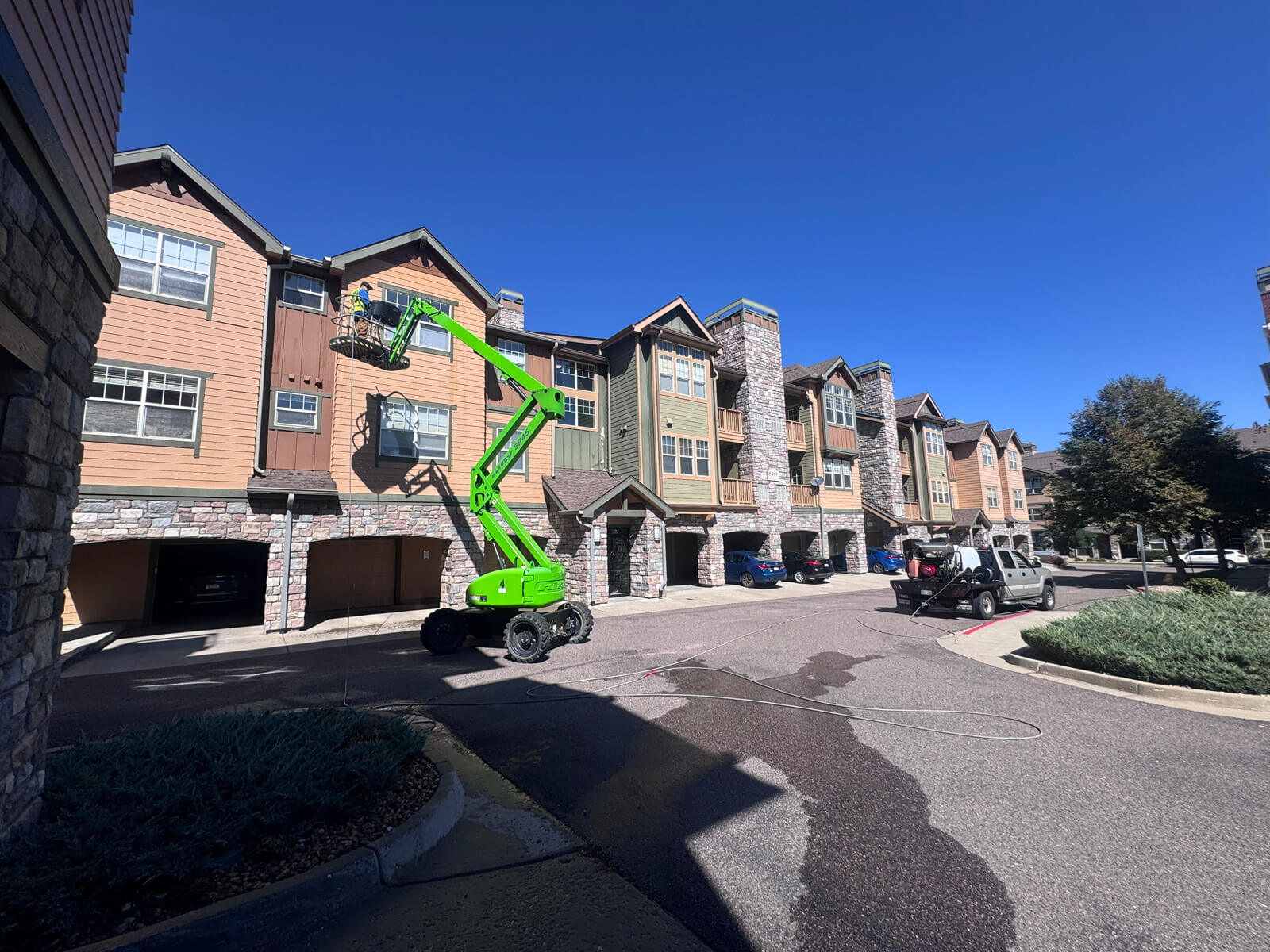
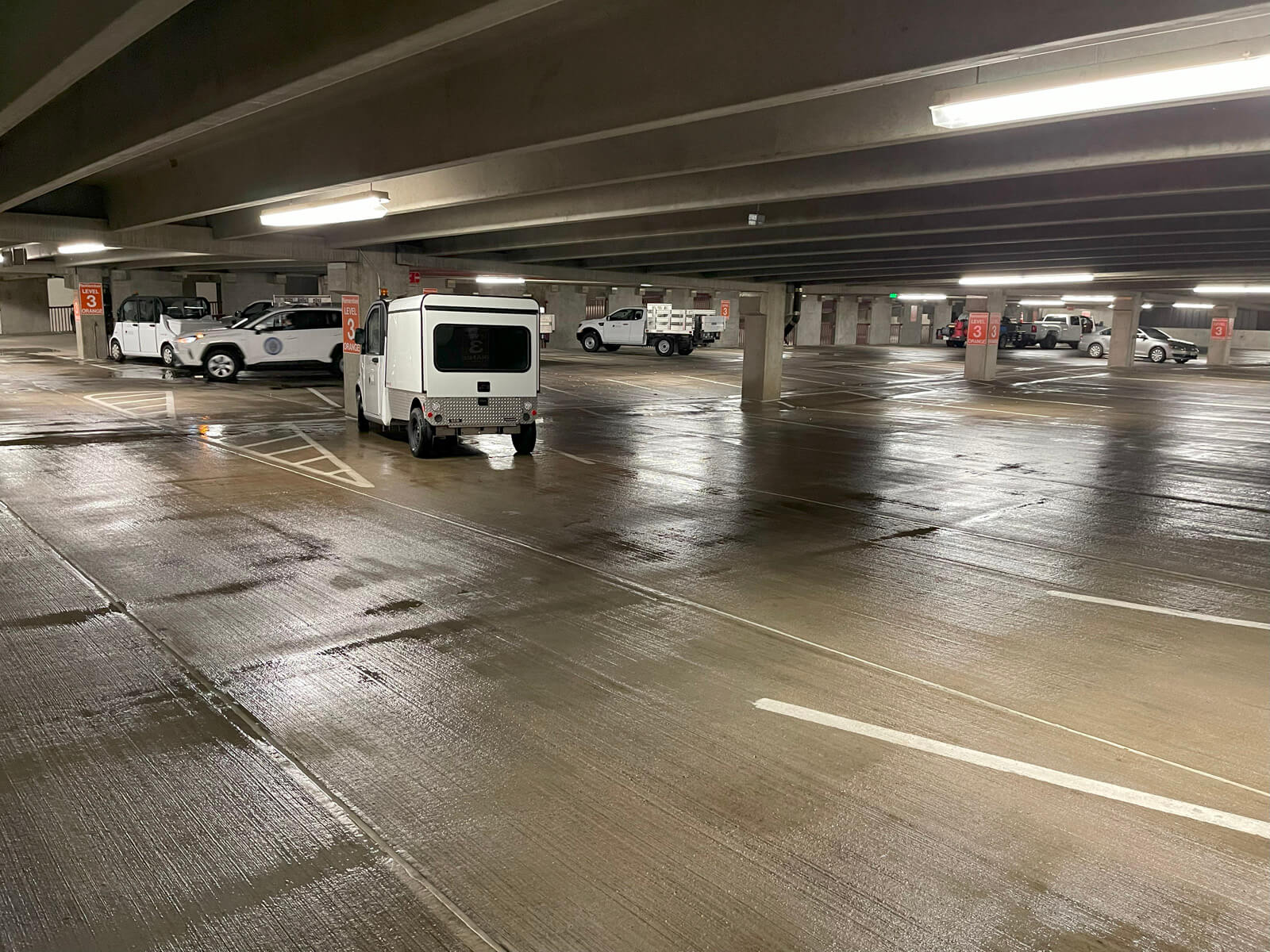
Property managers, HOAs, and commercial owners typically focus on high-traffic, high-visibility areas: sidewalks, dumpster pads, breezeways, pool decks, parking lot curbs, and building entrances. Regular maintenance cycles help prevent staining from becoming permanent and can reduce slip-and-fall risk in shaded corridors. For retail and office locations, scheduling can often be arranged during off-hours to limit disruption, with careful attention to cones, signage, and drying times.
Conclusion
Pressure washing in Boulder is one of the most cost-effective ways to refresh a property and protect the surfaces that take daily weather exposure. When the right method is used—high-pressure cleaning where appropriate and soft washing where materials call for it—exterior cleaning can remove stubborn buildup without harming paint, mortar, landscaping, or drainage patterns. A well-timed wash supports safer walkways, brighter outdoor spaces, and longer-lasting finishes, whether you are maintaining a single-family home or managing a commercial site. If you are considering service, start with a surface-by-surface assessment and choose a contractor who prioritizes proper technique, clear communication, and responsible runoff practices.